Summary
- A well-planned daycare packing list eliminates chaotic morning drop-offs and guarantees your child remains clean, dry, and comfortable throughout the day.
- Keeping seasonal clothing layers and spare weather-appropriate outfits permanently in your child’s cubby prevents last-minute wardrobe emergencies.
- Packing the right comfort items, rest essentials, and hygienic meal gear helps little ones adapt smoothly to structured daily transitions.
- Labeling every individual possession clearly protects family belongings and supports educators in keeping classroom routines running seamlessly.
- Regular Friday afternoon inventory audits keep cubbies tidy and refreshed for the upcoming early learning week.
Preparing your toddler for their first week in an early learning environment is an exciting milestone, but standing in front of an empty backpack can easily spark second-guessing. It is common to wonder how many changes of clothes are truly enough, what kind of outdoor gear handles coastal puddle jumps, and how to pack everything without overflowing a classroom cubby. In top-tier facilities across the Fraser Valley, such as Kiddie Kollege, situated at 20103 53 Ave, Langley, BC V3A 3T8, Canada, dedicated educators support energetic toddlers by creating organized, predictable spaces where every child feels secure.
Relying on an expert daycare packing list removes all the morning guesswork, making sure your child has exactly what they need for messy art stations, sensory sandboxes, cozy nap times, and rainy playground adventures.
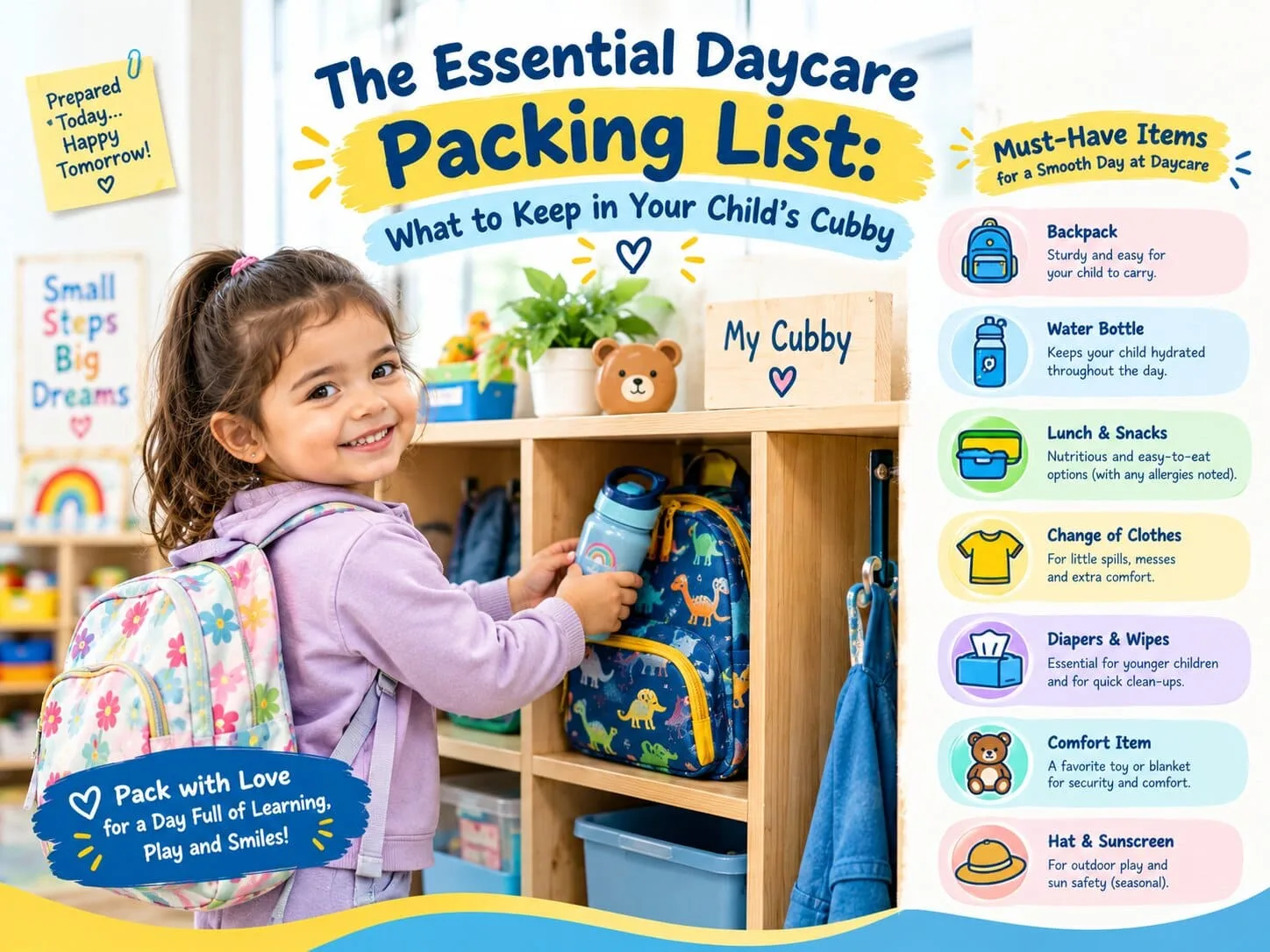
A toddler’s daycare cubby functions as their personal home base away from home. When stocked thoughtfully, it provides instant comfort and functionality without cluttering the classroom. Below is a comprehensive breakdown of what experienced educators recommend keeping inside that cubby, tailored specifically to local weather conditions and developmental growth.
The Foundation: Spare Clothing That Welcomes Messy Play
Toddlerhood is a tactile, active stage of life. In a quality early learning classroom, children explore sensory bins filled with water beads, practice self-feeding with bowls of warm soup, paint finger murals, and run outdoors through damp grass. Because of this, clothing changes are a natural, daily occurrence rather than an anomaly.
Educators always advise packing clothes meant for real play rather than dress-up fashion. Elaborate buttons, back zippers, and stiff denim can frustrate a child who is trying to build toileting independence or sit cross-legged for circle songs.
When planning your everyday clothing bundle, focus on these fundamental items:
- Three full sets of seasonal clothing, including pants, short-sleeve tops, long-sleeve layers, underwear, and socks.
- Stretchy, breathable fabrics like cotton blends that allow full range of motion during climbing and tumbling.
- Elastic-waist bottoms that pull down and up easily, which dramatically reduces bathroom accidents during toilet learning phases.
- Two separate zip-top wet bags or washable fabric pouches to safely seal away damp or soiled items until pickup time.
Stocking these items directly covers your everyday toddler daycare essentials, ensuring educators never have to dig around for an emergency backup shirt after a messy lunch or a slippery mud puddle spill.
Pacific Northwest Weather: Outdoor Gear for Every Season
British Columbia weather is legendary for delivering four distinct seasons in a single afternoon. A bright, sunny morning in the Lower Mainland can easily turn into a steady drizzle by midday recess. Because fresh air and gross motor play are vital parts of daily development, licensed centres head outside rain or shine.
To ensure your little adventurer stays warm, dry, and eager to explore the sandbox, keeping the right gear on your child’s hook is essential.
Your dedicated outdoor cubby kit should include:
- A waterproof, breathable rain suit or a durable jacket and splash-pant set designed to withstand heavy West Coast downpours.
- Sturdy waterproof rain boots with solid tread so little feet stay completely dry during garden discoveries.
- A warm knit toque and water-resistant mittens for chilly autumn mornings and crisp winter afternoons.
- A broad-brimmed sun hat paired with broad-spectrum mineral sunscreen for spring and summer playground play.
Packing dependable daycare outdoor gear BC families trust ensures that weather never restricts your child’s natural curiosity or playtime joy.
Rest Time Comfort: Napping Essentials for Calm Transitions
Rest periods can be one of the most vulnerable parts of a young child’s daily routine. Leaving the active energy of the morning and lying down on an individual cot in a room shared with peers requires a deep sense of safety and calm.
Providing familiar textures and scents from home helps bridge the gap between their bedroom and the classroom:
- A small, fitted crib cot sheet that stays snugly in place during midday rest.
- A lightweight, breathable blanket that smells like home, offering immediate sensory security.
- One compact transition item, such as a favorite plush animal, small soft blankie, or bedtime soother.
- An extra pacifier stored in a clean, snap-tight case if your little one relies on one for soothing to sleep.
Having these soft touches waiting inside their cubby transforms rest time into a predictable, restorative pause that recharges their energy for afternoon activities.
Practical Hygiene, Diapering, and Toileting Supplies
Whether your child is comfortably in diapers, navigating pull-ups, or actively mastering the washroom, personal care items must remain consistently replenished. Early childhood teachers maintain strict hygiene standards to protect group health, and having personal supplies ready makes these care moments efficient and gentle.
Consider these non-negotiable hygiene supplies when assembling your cubby stock:
- A full value box of diapers or easy-tear pull-ups, replenished weekly or as noted on daily logs.
- Two packages of unscented, sensitive-skin baby wipes that keep sensitive skin free from irritation.
- Diaper barrier cream with written parental application consent for seasonal skin sensitivity.
- Multiple pairs of thick cotton training underwear if your toddler is currently navigating potty training routines.
Keeping a steady supply of these items prevents unnecessary interruptions in care routines and lets educators focus entirely on nurturing your child’s learning.
Nutrition, Hydration, and Meal Gear
Active play burns tremendous energy. Toddlers require regular nutritional boosts to stay focused, emotionally regulated, and happy. While many centres provide meals or snacks, children often bring personal hydration cups and specialized food gear.
When packing daily meal and hydration tools, consider:
- An insulated, leak-proof water bottle with an easy-to-open flip straw that toddlers can handle independently.
- An easy-wipe silicone bib with a deep food-catching pocket for toddlers still mastering spoon and fork balance.
- BPA-free food containers with flexible, child-friendly lids that do not require adult strength to open.
- Any emergency allergy medications, such as epinephrine auto-injectors or asthma inhalers, kept in their original labeled prescription boxes and handed directly to supervisors.
Thoughtful feeding gear fosters mealtime self-help skills while keeping hydration easily accessible throughout busy mornings and afternoons.
The Golden Rule of Childcare: Label Absolutely Everything
Ask any experienced early childhood educator what their number one classroom piece of advice is, and the answer is unanimous: label every single belonging. In a classroom with a dozen toddlers, identical navy blue rain boots, yellow jackets, and stainless steel water bottles are remarkably common.
When items lack clear identification, misplaced belongings can cause unnecessary stress for families and staff alike:
- Waterproof vinyl name stickers that stay intact through dozens of dishwasher runs for water bottles and snack containers.
- Iron-on or stick-on fabric clothing tags for jackets, extra shirts, pants, socks, and hats.
- Permanent fabric markers used on the care tags of boots, shoes, and bedding.
Taking twenty minutes on Sunday evening to review labels guarantees that everything you pack comes home safely at the end of the week.
Building the Routine: Weekly Cubby Care and Friday Audits
A cubby should never become an overflowing storage closet. Cramming too many toys, extra coats, and shopping bags into a small locker makes it difficult for toddlers to hang up their own jackets or locate their shoes.
Adopting a simple weekly rhythm keeps your cubby functional:
- Monday morning: Restock diapers, wipes, and fresh spare clothing sets for the week ahead.
- Daily pickup: Remove used wet bags with soiled clothes, empty lunch containers, and take home damp outdoor gear to dry.
- Friday afternoon: Do a thirty-second audit of the cubby. Clear out paper crafts, check that shoes still fit comfortably, and verify that weather gear matches the upcoming forecast.
This simple habit keeps morning arrivals peaceful, orderly, and calm for both you and your toddler.
Navigating Care Standards Across the Fraser Valley
Finding the perfect early learning environment requires understanding what quality programs prioritize. Families who carefully curate what to pack for daycare quickly learn that transparent, supportive centres make communication surrounding supplies straightforward and stress-free.
A structured daycare cubby checklist provided by your centre eliminates confusion and keeps home and classroom routines working hand in hand. For infants entering care, having a separate infant daycare supply checklist helps ensure specialized items like bottles, formula, and sleep sacks are managed safely according to provincial health standards.
When searching for trusted day care in langley, parents value licensed facilities that offer low teacher-to-child ratios, stimulating indoor learning spaces, and safe outdoor yards. Finding dedicated, licensed childcare in Langley means partnering with professionals who view daily self-help habits—like unpacking a backpack and hanging up a coat—as foundational steps toward future independence.
Whether your family refers to the search as finding a loving kiddies day care or looking into full-time langley daycare options, establishing a well-organized cubby system connects daily home life directly with classroom success. As your search expands through local neighbourhoods, parents frequently discover premier programs while researching a high-quality pre school near me or checking tour openings for an accredited licensed infant daycare near me close to primary transit corridors.
Frequently Asked Questions
How many backup outfits should remain in my child’s cubby at all times?
Most early childhood educators recommend keeping a minimum of three complete spare outfits in the cubby. This includes tops, pants, underwear, and socks. For younger toddlers who are toilet training or passionate about water tables and mud kitchens, keeping four complete changes provides total peace of mind.
What types of footwear are best for active daycare days?
Toddlers need closed-toe shoes with non-marking rubber soles that offer good arch support and traction. Shoes with secure velcro straps are strongly preferred because they help toddlers practice putting on and taking off their own shoes without teacher assistance. Flip-flops, open sandals, and backless clogs are safety hazards on playground equipment and should be avoided.
How quickly do childcare providers in Langley respond to tour and waitlist inquiries?
Established childcare providers in the Langley area generally respond to web inquiries and tour requests within one to two business days. Booking an in-person tour gives you an opportunity to view classroom cubby setups, observe educator interactions, and discuss program openings firsthand.
What specific regional neighbourhoods do Langley early childhood centres serve?
Centrally located facilities serve working families throughout Langley City, Willoughby, Murrayville, Brookswood, and Walnut Grove. Many locations also provide convenient, accessible drop-off routes for parents commuting from Surrey, Aldergrove, and the wider Fraser Valley region.
Should I pack home toys in my toddler’s daycare backpack?
Except for an agreed-upon comfort item for nap time, personal toys from home should stay in the car or at home. Personal toys can get lost or broken, and they often cause sharing disputes among young toddlers who are still mastering social turn-taking skills.
Final Thoughts on a Stress-Free Daycare Experience
Packing your child’s cubby does not have to be an overwhelming morning scramble. By organizing high-quality basics, labeling each piece, and maintaining seasonal layers, you give your toddler the tools they need to dive into daily learning activities with total confidence. An organized cubby encourages children to take pride in their belongings, learn self-reliance, and transition comfortably between home and classroom routines.
If you are looking for an early learning home that treats every milestone with warmth and professional dedication, consider Kiddie Kollege. Situated at 20103 53 Ave, Langley, BC V3A 3T8, Canada, our compassionate team provides an enriching early learning environment designed specifically for the curious minds of toddlers. We invite you to schedule a tour of our classrooms, meet our dedicated staff, and see firsthand how our organized spaces help little ones thrive.
A peaceful drop-off starts with simple preparation. Following a practical, well-thought-out daycare packing list sets your child up for a joyful, dry, and fulfilling day of discovery in the classroom.