Summary
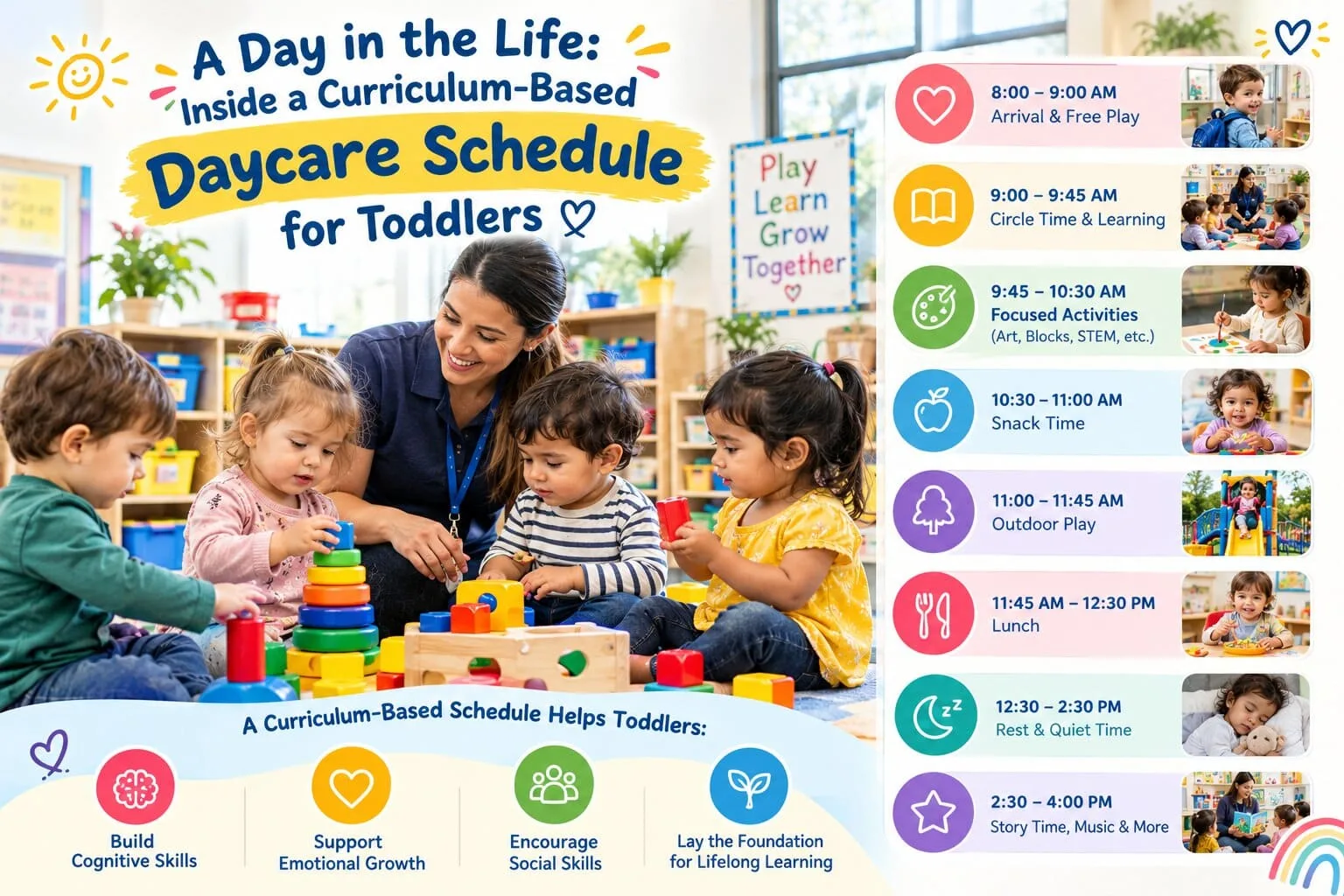
- Exploring a typical curriculum-based daycare schedule helps parents see how intentional daily rhythms balance joyful play with developmental milestones.
- Structured routines provide young toddlers with emotional security, lower daily stress, and encourage independent exploration.
- Guided circle times, sensory play stations, and outdoor recess build fine motor, language, and early social abilities naturally.
- Dedicated rest and nutritious meal intervals keep energy consistent and reinforce healthy self-regulation habits.
- An organized daily flow bridges early toddler curiosity with the foundational social and cognitive readiness required for future preschool years.
When parents prepare to place their young child into early learning, their most immediate questions often centre around the daily routine. How will my toddler spend their waking hours? Will they feel overwhelmed by strict expectations, or will their day dissolve into unstructured chaos? Navigating this transition requires understanding that high-quality childcare is neither a rigid academic boot camp nor a hands-off supervision service.
Established community centres like Kiddie Kollege, located at 20103 53 Ave, Langley, BC V3A 3T8, Canada, provide a compassionate infants and toddlers program that thoughtfully strikes this delicate balance. Exploring a typical curriculum-based daycare schedule reveals how intentional early childhood education transforms simple classroom hours into rich, joyful opportunities for emotional security, language acquisition, and social growth.
For toddlers aged eighteen months to three years, predictability serves as an emotional anchor. The toddler brain is undergoing massive neurological expansion, processing sensory impressions, and learning to manage intense emotions. When children know precisely what comes next—when they will eat, where they will play, and when they will rest—their internal anxiety drops significantly.
This psychological comfort frees up vital mental energy for problem-solving, creative play, and peer communication. Below, we take a detailed walk through a full day inside a modern, curriculum-aligned toddler classroom, highlighting how every transition, snack time, and sensory activity is designed with intentional developmental purpose.
7:30 AM to 8:30 AM: Welcoming Arrivals and Gentle Table Invitations
The day begins long before formal group activities kick off. Arrival time is one of the most emotionally sensitive moments in any early childhood centre. Toddlers must navigate separation from their parents and adjust to the sights, sounds, and energy of the classroom.
During this initial window, educators establish a soothing, low-stimulation environment. Soft natural lighting, quiet acoustic music, and unhurried greetings welcome each child individually. Teachers do not rush children into complex tasks. Instead, they provide gentle table invitations—simple, open-ended materials like wooden nesting cups, soft texture books, or smooth stacking rings.
These quiet setups give arriving toddlers autonomy. A child who arrives feeling hesitant or sleepy can sit quietly with an educator, observing the room from a safe lap until they feel confident enough to step onto the carpet. This calm start honours individual temperaments and reinforces a consistent daycare schedule that values emotional safety above rigid timelines.
8:30 AM to 9:15 AM: Morning Circle Time and Conversational Foundations
Once the group has arrived, the classroom transitions into its first communal routine: morning circle time. While an outside observer might simply see children singing songs, early childhood educators recognize this as a cornerstone of cognitive development.
During circle time, toddlers gather on a comfortable carpet where everyone can maintain eye contact with the educator and each other. The teacher guides the children through repetitive, joyful rituals:
- Interactive Welcome Greetings: Acknowledging each child by name builds personal self-worth, community connection, and peer awareness.
- Weather and Seasonal Observations: Checking the window for rain, wind, or sunshine introduces early observational science and descriptive language.
- Fingerplays and Action Chants: Rhythmic songs like “The Wheels on the Bus” or “Open, Shut Them” demand hand-eye coordination, speech timing, and auditory processing.
Circle time exercises both expressive and receptive language. Toddlers practice tracking a speaker with their eyes, waiting patiently for their turn to sing, and imitating oral motor sounds. These 15 to 20 minutes prove that the verified benefits of a structured daycare curriculum are rooted in predictable, relationship-focused interactions rather than rote memorization.
9:15 AM to 9:45 AM: Nourishing Morning Snack and Independence Routines
Physical nutrition and social development go hand in hand. Around mid-morning, children move to child-sized tables for a nutritious snack designed according to Canadian nutritional guidelines, often featuring fresh fruit slices, whole-grain crackers, and water.
Snack time is an intentional learning laboratory for self-help skills:
- Hand Hygiene: Children line up at low sinks to practice lathering soap, rinsing, and drying their hands, reinforcing lifelong hygiene habits.
- Fine Motor Dexterity: Toddlers practice grasping child-safe cups, peeling fruit slices, and using small child-sized spoons without adult intervention.
- Social Etiquette: Educators sit at the table alongside the children, modeling polite requests like “more please” and encouraging casual, friendly table conversation.
Allowing toddlers to manage their own snacks fosters a powerful sense of agency. When a child successfully pours a small cup of water from a lightweight pitcher, their confidence surges, showing them that they are capable, autonomous individuals within their community.
9:45 AM to 10:45 AM: Purposeful Exploration and Structured Early Learning Stations
The heart of the morning is dedicated to child-led, educator-supported discovery through a comprehensive toddler early learning curriculum. During this hour, the classroom is divided into distinct, intentionally prepared interest centres.
Toddlers are free to move between stations based on their organic curiosity, while certified educators circulate, observe, and gently scaffold learning challenges:
- Construction and Block Architecture: Toddlers experiment with wooden blocks, magnetic shapes, and natural branches. As they stack and balance, they encounter basic physics principles like gravity, equilibrium, and spatial relations.
- Sensory Exploration Tables: Bins filled with dried oats, water, smooth stones, or scented playdough offer rich tactile stimulation. Children pour, sift, and squeeze, strengthening the small hand muscles needed for future pencil control.
- Dramatic Role-Play Corners: Stepping into play kitchens, mini doctor offices, or dress-up zones allows children to imitate the adult world, encouraging empathy, story creation, and peer negotiation.
- Cozy Literacy Nooks: Soft cushions, board books, and visual storyboards invite children to sit quietly, turn sturdy pages independently, and absorb print awareness.
These diverse stations represent thoughtfully designed structured early learning activities. They provide high cognitive engagement while allowing children to set their own pace, ensuring no toddler feels rushed or frustrated by unnatural adult expectations.
10:45 AM to 11:45 AM: Outdoor Recess, Gross Motor Play, and Nature Discovery
Fresh air and vigorous physical movement are essential components of healthy childhood development. In British Columbia, experiencing outdoor play in all safe weather conditions—whether crisp autumn mornings or mild rainy afternoons—is a cherished educational philosophy.
Donning boots, puddle suits, and hats provides another valuable daily practice in fine-motor independence. Once outside in the secure play yard, toddlers engage their major muscle groups:
- Gross Motor Coordination: Running along grassy mounds, navigating gentle climbing structures, pushing tricycles, and balancing across logs strengthen core stability and spatial navigation.
- Vestibular and Proprioceptive Input: Swinging, sliding, and carrying buckets of sand stimulate internal balance systems that regulate attention and emotional calmness.
- Nature-Based Curiosity: Examining worms after a gentle rain, collecting colourful fall leaves, and touching rough tree bark cultivate environmental respect and sensory resilience.
Outdoor play gives toddlers the physical freedom to vocalize, run, and explore dynamic spaces, balancing the calm indoor morning with restorative physical exertion.
11:45 AM to 12:30 PM: Balanced Lunch and Transition to Rest
Returning indoors, children wash their hands and gather for a warm, balanced lunch. Sharing a warm meal as a classroom family provides comfortable conversational opportunities. Children discuss the outdoor discoveries of the morning, learn how to listen while friends speak, and clean up their personal place settings when finished.
As lunch concludes, educators gently prepare the room for the midday quiet period. Window blinds are drawn, overhead lighting is replaced with dim ambient lamps, and soft classical lullabies or nature soundscapes begin playing softly.
Transitioning from active play to restorative rest is a learned skill. Educators sit near cots, offering reassuring back pats and gentle words to help each child’s nervous system relax into peaceful sleep.
12:30 PM to 2:30 PM: Rest, Restoration, and Neurological Consolidation
A toddler’s brain requires substantial sleep to consolidate the morning’s intense learning experiences. During deep rest, the brain organizes new memories, repairs physical tissues, and restores energy reserves needed for afternoon socialization.
Children rest on individual, sanitized cots equipped with comfortable sheets and personal blankets brought from home. For children who wake early or who naturally sleep less, educators provide quiet, cot-side activities after an initial rest period—such as soft felt books or quiet drawing pads—ensuring the classroom environment remains peaceful for sleeping classmates.
2:30 PM to 3:30 PM: Gentle Awakening, Afternoon Snack, and Reconnection
Waking up from an afternoon nap requires the same intentional care as the morning arrival. Educators allow toddlers to wake up on their own internal clocks, offering warm cuddles and quiet reassurance as they rub their eyes and adjust to the light.
Once awake, children are assisted with diapering and independent toileting routines before washing hands for an afternoon snack, such as whole-grain muffins, yogurt, or vegetable sticks. This afternoon snack refuels blood sugar levels, helping children transition smoothly into afternoon creative play without the mid-afternoon mood dips common in toddlers.
3:30 PM to 4:45 PM: Creative Arts, Music, and Social Collaboration
The afternoon hours emphasize expressive arts and relationship-building. Drawing upon a dedicated social-emotional learning daycare curriculum, educators lead creative experiences that focus on the process of creation rather than the final product:
- Open-Ended Process Art: Toddlers explore finger painting, sponge stamping, and collage making. These activities teach children that there is no “right or wrong” way to create, encouraging creative bravery and sensory exploration.
- Collaborative Group Games: Rolling large therapy balls across the carpet, dancing with colourful silk scarves, or playing simple instrument rhythm games build social awareness, sharing skills, and cooperative empathy.
- Small Group Story Extensions: Revisiting a beloved storybook through tactile puppets or interactive flannel boards deepens narrative comprehension and memory recall.
These afternoon routines offer gentle social practice, teaching children how to share space with friends, interpret non-verbal cues, and resolve minor play conflicts with teacher guidance.
4:45 PM to 5:30 PM: Clean-Up, Parent Reunions, and Reflective Departures
As the day concludes, the classroom shifts into calm departure mode. Toddlers take pride in helping teachers tidy up materials, returning blocks to marked bins and placing picture books neatly onto low display shelves. This simple cleanup ritual teaches personal responsibility and respect for shared community environments.
When parents arrive for pickup, educators provide detailed, transparent handoffs:
- Sharing specific details regarding nap lengths, food consumption, and diapering updates.
- Celebrating unique social triumphs, such as a child sharing a train track voluntarily or speaking a new multi-word sentence.
- Providing parents with conversational prompts to connect with their child during the drive home.
This organized transition ensures that the child moves smoothly from classroom routines back into the warmth of family life at home.
Choosing Intentional Early Learning Across the Fraser Valley
When evaluating early childhood options across the Lower Mainland, parents quickly notice distinct differences between informal babysitting setups and professional group academies. While looking into a neighborhood day care or an informal kiddie daycare arrangement might seem convenient, choosing an accredited centre offering curriculum-driven childcare in Langley ensures your child benefits from licensed safety protocols, certified educators, and developmentally planned daily rhythms.
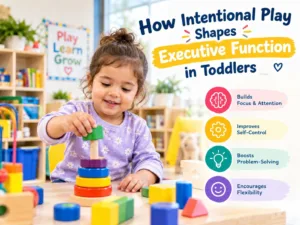
Families reviewing quality langley childcare want reassurance that their child’s daily schedule supports long-term growth. An intentional toddler classroom lays the groundwork for executive function, emotional regulation, and linguistic fluency, serving as an effective daycare schedule for kindergarten readiness.
As you plan your family’s daily commute along major routes like 200th Street, 53rd Avenue, or the Langley Bypass, you may find yourself typing searches for a reputable pre school near me to ensure early morning drop-offs align easily with your work schedule. Finding a centre that combines professional educational standards with loving care makes all the difference in your family’s daily peace of mind.
Frequently Asked Questions
How does a curriculum-based schedule accommodate children who do not nap?
Toddlers are never forced to sleep, but licensing regulations and developmental science mandate a restful quiet period. Children who do not fall asleep after 30 to 45 minutes of quiet rest are provided with quiet, cot-side activities such as puzzles, drawing pads, or picture books, allowing them to rest their bodies while respecting resting classmates.
How do educators handle toddlers struggling with morning drop-off tears?
Morning separation anxiety is a completely normal developmental milestone. Educators handle this with immense empathy, utilizing warm verbal reassurance, gentle sensory redirection, and dedicated one-on-one lap time. Teachers work closely with parents to establish predictable, loving goodbye rituals that help children feel safe within minutes of departure.
What is the typical administrative turnaround time for scheduling daycare tours in Langley?
Most established licensed centres in Langley review tour inquiries and waitlist submissions on a daily basis, typically contacting families within 24 to 48 business hours to confirm tour appointments and discuss upcoming classroom availability.
What geographical communities are served by centrally situated Langley child care centres?
Centrally positioned facilities in Langley accommodate families living throughout Langley City, Willoughby, Walnut Grove, Murrayville, and Brookswood. They also provide practical commuter access for working parents travelling from nearby Surrey, Clayton Heights, and Cloverdale.
What happens if a toddler’s personal schedule does not match the classroom schedule initially?
Professional educators practice gentle, gradual alignment. When a child first enters the classroom, teachers honour their current feeding, diapering, and sleeping rhythms, gradually and comfortably shifting them toward the group cadence over several weeks as the child builds familiarity with their teachers and peers.
Final Thoughts on Intentional Daily Routines
The toddler years represent a magical, fast-moving season of development where curious exploration lays the foundation for future learning. Far from being restrictive, an intentional daily schedule provides young children with the predictable emotional safety net they need to take creative chances, form deep friendships, and discover their unique voices. By anchoring every hour to intentional play, balanced nutrition, healthy movement, and loving adult guidance, quality early childhood classrooms ensure that each day is spent learning, laughing, and growing.
When you are looking for an early learning partner that delivers professional standards paired with genuine warmth, consider Kiddie Kollege. Situated at 20103 53 Ave, Langley, BC V3A 3T8, Canada, our qualified early childhood educators design thoughtful, accredited infants and toddlers program options that nurture the whole child. We invite you to tour our classrooms, observe our engaging daily schedule in action, and see firsthand how our intentional routines inspire a lasting love of learning.
Investing in an intentional early learning environment gives your child the gift of predictability, self-reliance, and joyful discovery, unlocking all the developmental advantages that a balanced curriculum-based daycare schedule provides.