Summary
- Implementing reliable toddler hydration tips ensures active young learners stay energized, attentive, and resilient during energetic group play.
- Toddlers dehydrate far faster than adults because their bodies produce more metabolic heat and have higher water-to-body-mass ratios.
- Establishing consistent fluid routines before, during, and after playground play prevents behavioral meltdowns and cognitive fatigue.
- Offering water-rich whole foods alongside fresh water creates an easy, balanced approach to everyday fluid intake.
- Partnering with a dedicated early learning facility ensures your child’s physical wellness and hydration are carefully supported every single day.
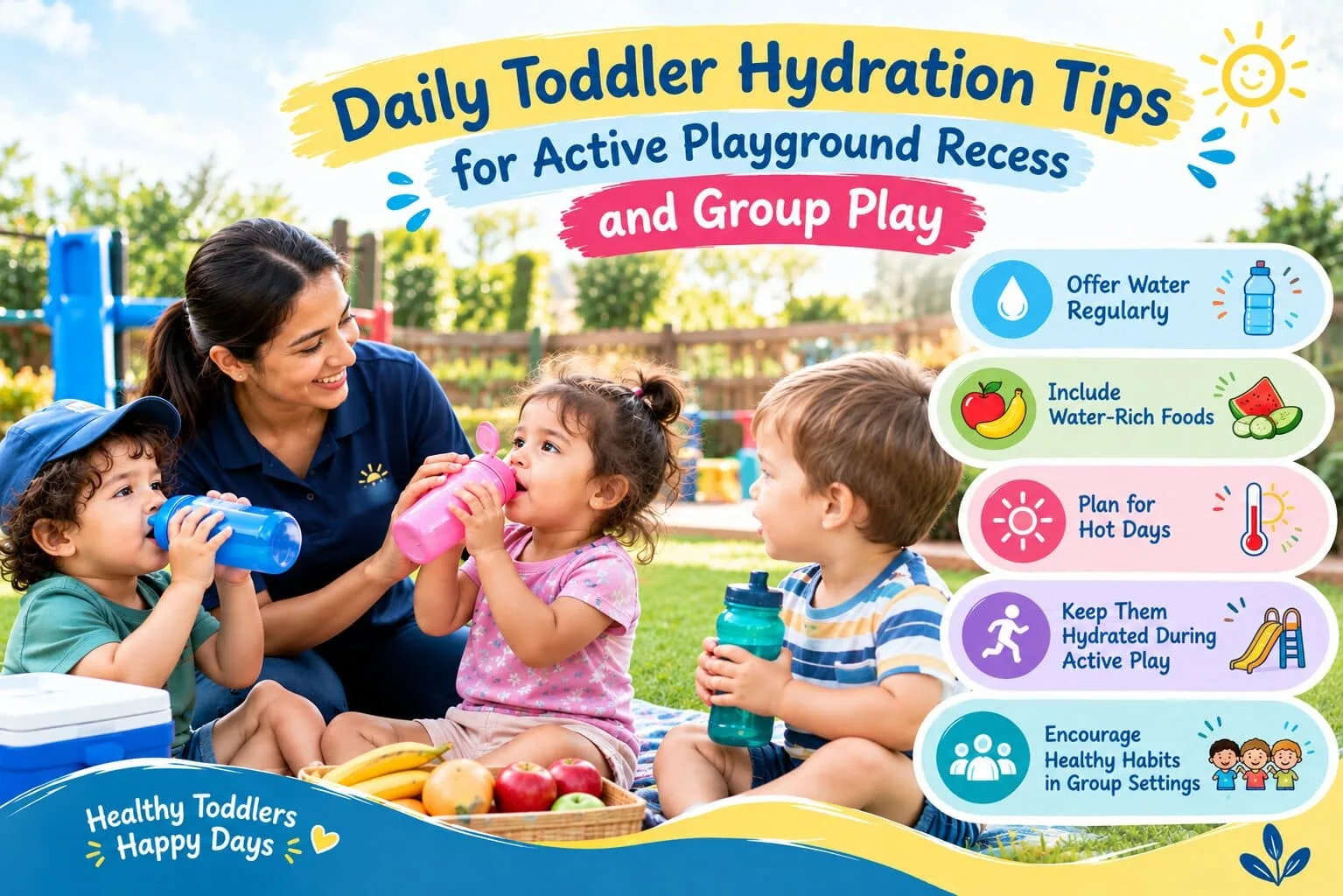
Watching toddlers race across an outdoor playground is a pure display of unbound childhood energy. Whether they are navigating sensory paths, building communal sandcastles, or chasing floating soap bubbles across a grass field, young children throw their whole bodies into gross motor exploration. However, during these high-energy hours of running, climbing, and cooperative games, little bodies lose moisture rapidly through respiration and sweat. Because toddlers rarely stop mid-game on their own to ask for a drink, parents and early educators must take deliberate steps to keep them hydrated. Practicing daily toddler hydration tips turns fluid intake into an enjoyable, routine habit rather than an exhausting negotiation.
In our local Fraser Valley community, families count on Kiddie Kollege, situated at 20103 53 Ave, Langley, BC V3A 3T8, Canada, where our multi-age childcare program integrates intentional wellness and hydration habits into daily learning routines.Supporting your child’s physical stamina requires understanding their unique physiology. Children have smaller body reserves, higher metabolic rates, and an underdeveloped thirst mechanism compared to adults. By building structured drinking habits at home and choosing childcare providers who treat outdoor safety and health as core curriculum components, you protect your little learner from midday fatigue, irritability, and dehydration.
Want to learn more about our daycare programs? Click the WhatsApp button below for an instant chat :
Understanding the Vulnerability of Young Children to Fluid Loss
Toddlers do not experience thirst in the same clear, intuitive way older children and adults do. When a two- or three-year-old is deeply immersed in building a train track or swinging on a tire swing, internal thirst cues get completely drowned out by sensory stimulation. By the time a toddler actually vocalizes that they are thirsty, their body is already experiencing early fluid deficits.
Young children have a higher surface-area-to-mass ratio, meaning they absorb environmental heat faster during sunny summer afternoons and lose moisture quickly in cool, crisp autumn winds. Furthermore, active toddlers breathe rapidly during aerobic play, expelling significant amounts of moisture with every exhale. Without regular, educator-guided fluid breaks, a child’s mood, coordination, and mental focus can quickly unravel before lunchtime arrives.
How Much Fluid Does an Active Child Truly Require
Parents frequently wonder about the exact balance between water, milk, and whole foods throughout the week. When considering how much water should a toddler drink, health authorities generally recommend that children between the ages of one and three consume approximately four cups, or roughly thirty-two ounces, of fluids daily. This total includes water and whole milk, alongside the natural water content found in wholesome fruits and vegetables.
For preschoolers aged four to five, that target expands to approximately five cups daily, scaling upward on exceptionally warm days or during periods of intense outdoor running. Water should always serve as the primary hydrator throughout the morning and afternoon. While milk plays a wonderful role during designated breakfast or snack times, relying on plain, cool water during playground recess prevents sluggish digestion and keeps energy steady.
Spotting the Subtle Physical and Behavioral Indicators of Dehydration
Dehydration in young children does not always present as intense dry-mouthed thirst. More often, it shows up as sudden shifts in demeanor, uncharacteristic clumsiness, or unusual fatigue. Knowing how to recognize the clinical signs of dehydration in toddlers allows parents and caregivers to intervene long before complications arise:
- Dark, concentrated urine or significantly fewer wet diapers throughout an eight-hour stretch.
- Parched, chapped lips, a dry or sticky tongue, and an absence of tears when crying.
- Sudden, unprovoked irritability, clinginess, or intense behavioral meltdowns triggered by minor sensory changes.
- Flushed cheeks, warm skin, and dark under-eye circles appearing after outdoor games.
- Lethargy, refusal to join circle time songs, or sudden clumsiness during balance activities.
Catching these signs early means offering small, consistent sips of water in a quiet, shaded corner, giving the child’s body time to rehydrate without upsetting their stomach.
Creating a Fun, Pressure-Free Hydration Rhythm at Childcare
Forcing a toddler to drink rarely works. If hydration feels like a chore or a command, toddlers naturally assert their independence by tightening their lips. Instead, experienced educators make drinking water an interactive, socially engaging part of group life.
A premier daycare experience seamlessly builds fluid check-ins into the daily schedule. Before children step onto the playground, educators hold a quick “cheers” circle where everyone takes three sips of water together. During extended recess, teachers place portable water stations right near high-traffic play zones, such as the sandbox or climber, allowing children to pause for quick sips without feeling like they are missing out on the fun. When peer modeling takes place and children see their friends sipping water happily, drinking becomes an instinctive communal activity.
Designing Safe, Hydrated Outdoor Play Environments
Outdoor time is crucial for developing gross motor skills, visual tracking, and emotional balance. However, high-energy games under direct sunlight require proactive planning to keep children healthy and energized.
Promoting comprehensive daycare outdoor play safety involves combining hydration with sun protection:
- Scheduling vigorous outdoor games during cooler morning hours and utilizing shaded tree canopies during warmer midday stretches.
- Applying broad-spectrum, mineral-based sunscreen alongside wide-brimmed hats to minimize heat absorption through the scalp.
- Setting predictable transition bells that prompt every child to walk to their personal water bottle for a quick fluid recharge.
- Teaching toddlers basic body awareness by asking questions like, “Does your throat feel dry?” or “How do your running legs feel?”
When educators treat hydration as an ongoing, playful rhythm rather than an afterthought, playground games remain safe, positive, and deeply restorative.
Choosing the Right Beverages and Hydrating Whole Foods
Water is undeniably the gold standard for daily childhood hydration. However, curious little ones often enjoy variety. Introducing diverse healthy drinks for toddlers keeps interest high while avoiding the pitfalls of added sugars:
- Infused fruit waters: Adding crushed strawberries, cucumber ribbons, or sweet orange wedges to a clear pitcher makes plain water visually captivating and lightly flavorful.
- Diluted herbal teas: Unsweetened, cooled chamomile or peppermint tea offers a comforting, caffeine-free alternative on chilly outdoor mornings.
- Fresh fruit smoothies: Blending unsweetened oat milk or yogurt with spinach, bananas, and berries packs hydration, electrolytes, and vital micronutrients into a single snack.
It is equally important to limit high-sugar fruit juices, sodas, and caffeinated beverages. Excessive fruit juices can cause rapid blood sugar spikes followed by steep energy crashes, and their high sugar content can trigger loose stools, which paradoxically leads to further fluid loss.
Complementing beverages with water-dense foods provides steady, slow-release hydration. Snacking on watermelon slices, crisp cucumber rounds, steamed zucchini spears, berries, and oranges gives children essential water along with dietary fiber and natural vitamins.
Packing the Proper Gear for Everyday Childcare Success
Having the right gear ready in your child’s assigned classroom cubby makes daily hydration effortless for both children and teachers. When a toddler can easily handle their personal cup, they take pride in serving themselves.
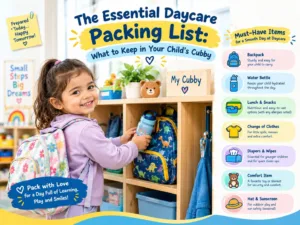
Reviewing your toddler daycare packing list ensures your child is equipped for every recess:
- Choose a durable, double-walled stainless steel water bottle with a flip-open silicone straw that small hands can operate independently.
- Verify that cups and bottles are completely leak-proof to prevent damp backpacks and wet spare clothes.
- Clearly label bottles with durable, waterproof name decals that withstand commercial dishwasher heat.
- Pack two lightweight, wide-brimmed sun hats that stay comfortably secured with soft chin straps during active running.
Helping your child master opening and closing their water bottle at the kitchen table builds fine motor confidence, empowering them to grab a drink independently throughout the preschool day.
Partnering with Local Childcare Communities in Langley
A child’s daily physical well-being depends on open, collaborative partnerships between families and early learning providers. When exploring high-quality langley bc daycare options, parents naturally prioritize facilities that maintain clean environments, nutritious meal planning, and attentive supervisory standards.
Finding an accredited licensed daycare in Langley guarantees that provincial health regulations, educator-to-child ratios, and safe playground standards are rigorously upheld every single day. An experienced team understands that whole-child health encompasses emotional warmth, joyful movement, proper rest, and attentive hydration.
Whether parents are evaluating programs at an established preschool langley bc campus, exploring holistic kiddie care models, or seeking high-standard childhood care providers who treat families like true partners, having qualified educators makes an incredible difference. As your search progresses, you might find yourself looking into the warm community at Kiddie Kollege or searching online directories for a licensed daycare near me to observe classroom daily routines firsthand. Families looking ahead to early childhood education may also seek out an accredited pre school near me along 53rd Avenue or the 204th Street corridor to ensure their child’s educational journey begins on a healthy, supported footing.
When parents and early childhood educators maintain consistent communication regarding a child’s fluid habits, bathroom frequency, and outdoor energy, little learners thrive across every developmental milestone.
Frequently Asked Questions
How do educators encourage a toddler who refuses to drink plain water?
Experienced early educators never force a child to drink. Instead, they use creative strategies such as colorful silicone straws, child-sized clear pitchers that allow children to pour their own water, or infusing water with sliced berries and mint leaves. Singing silly hydration songs and engaging in group “water toasts” during snack time also inspires hesitant toddlers to take plenty of sips.
What are the best alternatives to commercial electrolyte drinks for young children?
Unless explicitly prescribed by a pediatrician to treat acute gastrointestinal illness, commercial sports or electrolyte drinks are unnecessary for toddlers and contain unnecessary sugars. Pure water, whole milk, diluted unsweetened coconut water, and water-rich snacks like watermelon, berries, and cucumber sticks provide all the natural electrolytes an active child needs after playground games.
What is the typical inquiry turnaround time for childcare enrolments in Langley?
Reputable childcare centres in the Langley area generally respond to enrollment inquiries and tour requests within 24 to 48 business hours. Reaching out early gives families ample opportunity to visit the facility, speak directly with educators about nutrition and daily care routines, and secure placement ahead of major seasonal start dates.
Which neighbourhoods in the Fraser Valley are served by centrally located Langley centres?
Centrally located facilities on 53rd Avenue serve families across Langley City, Willoughby, Murrayville, Brookswood, and Walnut Grove. With quick connections to the Fraser Highway and 200th Street, these centres are also exceptionally convenient for commuting parents living in Cloverdale, Clayton Heights, and Surrey.
Should I pack extra water during warm spring and summer months?
Yes, packing a larger insulated water bottle or providing two clearly labeled cups during warmer months is always recommended. This ensures your child has cold, refreshing water accessible both inside the classroom and out on the playground, even while educators actively refill bottles from filtered classroom water taps throughout the day.
Building Lifelong Healthy Habits Starting Today
Supporting your toddler’s physical wellness does not require complicated rules or rigid schedules. When we approach hydration through consistent routines, fun water-break rituals, and wholesome, water-dense snacks, drinking water becomes second nature to young minds. These early habits lay the groundwork for physical endurance, emotional balance, and healthy lifestyle choices that last well beyond the early years.
If you are looking for an early learning community that treats health, safety, and daily physical development with absolute dedication, connect with Kiddie Kollege. Situated at 20103 53 Ave, Langley, BC V3A 3T8, Canada, our passionate team provides an enriching multi-age childcare program where every child is nurtured with attentive care, engaging play-based curriculum, and safe outdoor exploration. We invite you to schedule a tour of our classrooms, meet our caring educators, and experience how our warm environment supports your family.
By practicing proactive, daily toddler hydration tips, you give your young adventurer the fuel and hydration they need to run, play, and discover their world with complete joy and boundless energy.