Summary
- Starting preschool is a major developmental milestone for toddlers, often accompanied by significant emotional transitions like separation anxiety.
- A quality kiddies academy plays a crucial role in easing this transition by providing structured support and nurturing environments.
- This article explores the common challenges toddlers face and the professional strategies used to overcome them.
- Discover how social, emotional, and routine-based support prepares your child for long-term success.
- Learn about the importance of partnership between parents and educators during this critical phase.
The first steps into a preschool classroom represent one of the biggest leaps a young child will take. It is a moment filled with immense potential, marking the official beginning of their educational journey and their first sustained venture into a world outside the family circle. For parents, it’s often a mixture of pride and perhaps a little heartache. For the child, however, it is a period of monumental change. Everything is new: the faces, the place, the rules, and the expectations.
This transition is not just about learning colors and shapes; it is a profound emotional and social shift. Suddenly, the constant, individualized attention of home is replaced by a dynamic group setting. While exciting, this can also be overwhelming. Understanding this dynamic is crucial for supporting your child, and that’s where the specialized environment of a professional kiddies academy becomes invaluable. A high-quality center, such as KiddieKollege in Langley, BC, doesn’t just provide care; it offers a carefully structured bridge designed specifically to help toddlers navigate these early hurdles with confidence and joy.
Want to learn more about our daycare programs? Click the WhatsApp button below for an instant chat :
The Toddler’s Perspective: Navigating the “Big New World”
To truly appreciate how a preschool eases this transition, we must first look at the world through the eyes of a toddler. At this stage, children are rapidly developing their sense of self, but their emotional regulation skills are still very much under construction. The hurdles they face in the early days of school are not insignificant, and they fall into three main categories.
1. The Emotional Hurdle: Separation Anxiety
This is almost universally the biggest challenge. Until now, your child’s world has been defined by your presence (or that of a primary caregiver). Their sense of safety and security is directly tied to you. When drop-off time comes, their distress is real and valid. They aren’t trying to be difficult; they are genuinely uncertain if or when you are coming back. This separation anxiety is the single most common cause of early school tears and can make the beginning of the preschool journey feel incredibly fraught for parents.
2. The Social Hurdle: Sharing and Group Dynamics
Sharing is not a natural instinct for toddlers; it is a learned skill that requires empathy and impulse control—two things that are still maturing. In a home environment, a toddler might have to share with a sibling, but in a classroom, they are suddenly surrounded by peers, all vying for the same toys and teacher attention. Navigating this new social landscape, learning to wait for a turn, and understanding the concept of cooperative play can be a significant source of frustration and conflict for a young child.
3. The Routine Hurdle: Transitioning to Structure
Life at home is often flexible. Snacks happen when hungry, naps happen when tired, and play is largely self-directed. A preschool classroom operates on a structure. There is a time for circle, a time for washing hands, a time for eating, and a time for quiet. For a toddler, moving from complete autonomy to following a group schedule can feel jarring. Understanding this “routine shock” is key to appreciating why some children struggle with behavior or seem overly tired in the first few weeks.
How a Professional Academy Solves These Problems
So, how does a dedicated learning center help? It doesn’t happen by accident. Every aspect of a high-quality program is intentionally designed to solve these exact problems.
Low-Pressure Engagement: The Power of Play
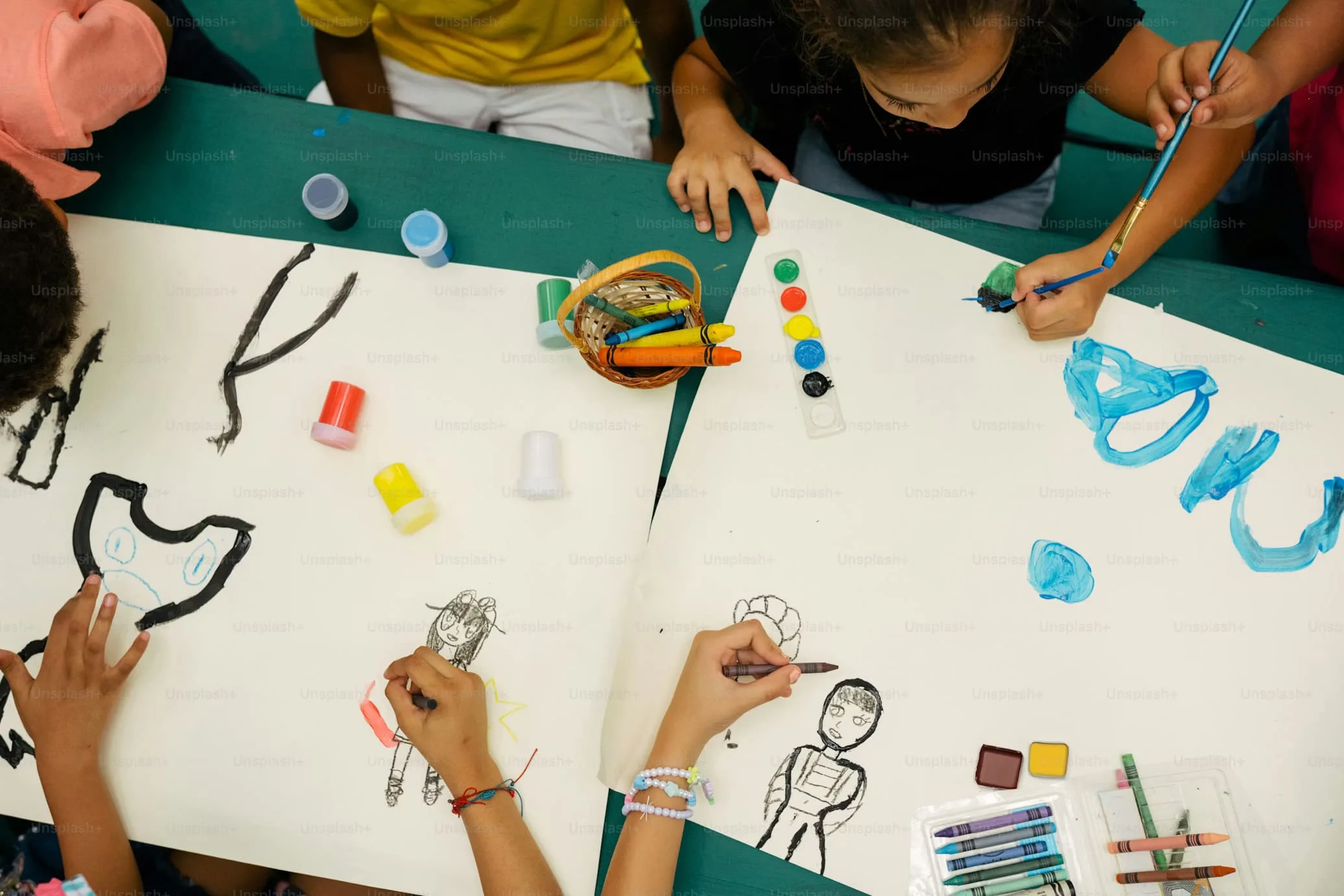
One of the most effective tools for easing the transition is Sensory & Creative Play. Sensory play—activities involving sand, water, kinetic sand, or finger painting—is a low-pressure way to engage. It requires no specific “right” answer and has a naturally calming, rhythmic effect.
When a child is feeling anxious or overwhelmed by the group setting, burying their hands in soft sand or watching bubbles pop can provide a powerful sense of grounding. This type of play doesn’t ask for much socially; a child can play alongside others (parallel play) before they are ready to play with them. Professional educators use these sensory stations as strategic landing zones during difficult morning drop-offs. It turns an emotionally charged moment into one of curiosity, allowing the child to settle in at their own pace.
Social-Emotional Coaching
In a classroom, educators aren’t just teaching ABCs; they are “social coaches.” They don’t expect toddlers to know how to share automatically. Instead, they use small-group activities and communal projects (like a large water table or a giant mural) to create natural, supported opportunities for turn-taking and communication.
When a conflict arises—as it inevitably will—the teacher is there to help the children navigate it with kindness. They teach toddlers the language of feelings (“I see you are frustrated because you want that truck”) and guide them toward cooperation. This direct, real-time support is how toddlers find their voice, learn empathy, and build their very first true friendships in a safe, licensed setting.
Consistency, Predictability, and Trust
The structured environment that can initially feel challenging for toddlers actually becomes their greatest source of comfort. Children thrive on predictability. Knowing exactly what comes next (circle time, then snack, then outside) gives them a sense of control and safety in an otherwise new environment. Over time, this consistent routine builds a strong foundation of trust—trust in the environment, trust in the teachers, and trust that their parents will indeed return at the same time, every single day. This is the cornerstone of reducing separation anxiety and fostering a truly happy and confident preschooler.
Building Topical Authority: The “Kiddies” Landscape in Langley
Finding the right support for your child means navigating a variety of local options. For many families in Langley, the journey might begin with looking for a kiddie korner daycare known for its nurturing atmosphere. Others may be seeking a program with a stronger educational component, prompting a search for the best preschool langley has to offer.
The terminology can sometimes be confusing. What one family calls a kiddies day care, another might refer to as langley daycare. Regardless of the label, the underlying requirement remains the same: a licensed, professional, and compassionate environment that prioritizes child development. Choosing a trusted provider ensures that you are accessing a curriculum designed not just for care, but for growth. For those searching for a reputable academy near me that seamlessly blends early education with social-emotional support, finding a center that focuses on these foundational skills is essential.
Summary: A Journey of Partnership
The transition to preschool is a major hurdle, but it is also a beautiful new beginning. It is a journey of partnership between your family and the learning center. By understanding the valid challenges your toddler is facing—the separation anxiety, the social learning curve, and the routine adjustment—and by choosing a program that intentionally solves these problems through sensory play, emotional coaching, and reliable structure, you are setting your child up for success.
This phase won’t last forever. The early tears will turn into excited stories about friends and new discoveries. A quality kiddies academy, like KiddieKollege at 20103 53 Ave, Langley, BC V3A 3T8, Canada, is dedicated to guiding families through this transition, transforming what can be a stressful time into a colorful and joyous adventure in learning. Your child’s “soft landing” into the world of education begins with this intentional, compassionate approach.
Frequently Asked Questions (FAQs)
What is the most common age for a child to start preschool in BC?
While every child is different, most children in British Columbia start a preschool or pre-kindergarten program between the ages of 3 and 4. Some licensed childcare centers, including KiddieKollege, offer programs that support children even younger, through specialized Infant & Toddler care, easing the transition earlier.
How long does the transition period typically last?
Every child is unique. For some, the initial period of adjustment and separation anxiety might last only a week or two. For others, it can take up to a month or more of consistent attendance to fully settle into the routine and feel completely comfortable. Consistency and a positive partnership between parents and teachers are the two biggest factors in helping a child transition smoothly.
What is the standard response time for inquiries about your Langley preschool programs?
We understand that choosing a childcare provider is a significant decision. For families inquiring about our programs in Langley and surrounding areas, our goal is to respond to all website inquiries, emails, and phone calls within one business day. Providing timely information is part of our commitment to professional service.
Which areas of Langley do your services cover?
KiddieKollege is conveniently located at [20103 53 Ave, Langley, BC], which makes us accessible to families throughout downtown Langley. Our proximity to major routes also serves the surrounding neighborhoods, including those commuting from Willoughby, Walnut Grove, Brookswood, and the Nicomekl area.
The transition to preschool is undeniably a monumental milestone, representing a significant developmental step that brings immense potential for growth, friendship, and discovery. While
Final Thoughts
the initial days might feel challenging as your child navigates separation anxiety and adjusts to new routines and social dynamic, a quality kiddies academy plays a crucial role in making this transition as smooth and joyful as possible. By providing a nurturing environment focused on emotional support, social-emotional coaching, and low-pressure engagement through sensory play, professional educators ensure your child has a “soft landing” and a safe space to grow at their own pace.
As you look forward to this exciting new chapter, remember that this phase is just the beginning of a lifelong learning journey, and choosing a trusted partner makes all the difference. Investing in a program that prioritizes your child’s emotional well-being today is the foundation for their success tomorrow, paving the way for years of confident and happy learning.