Quick Summary
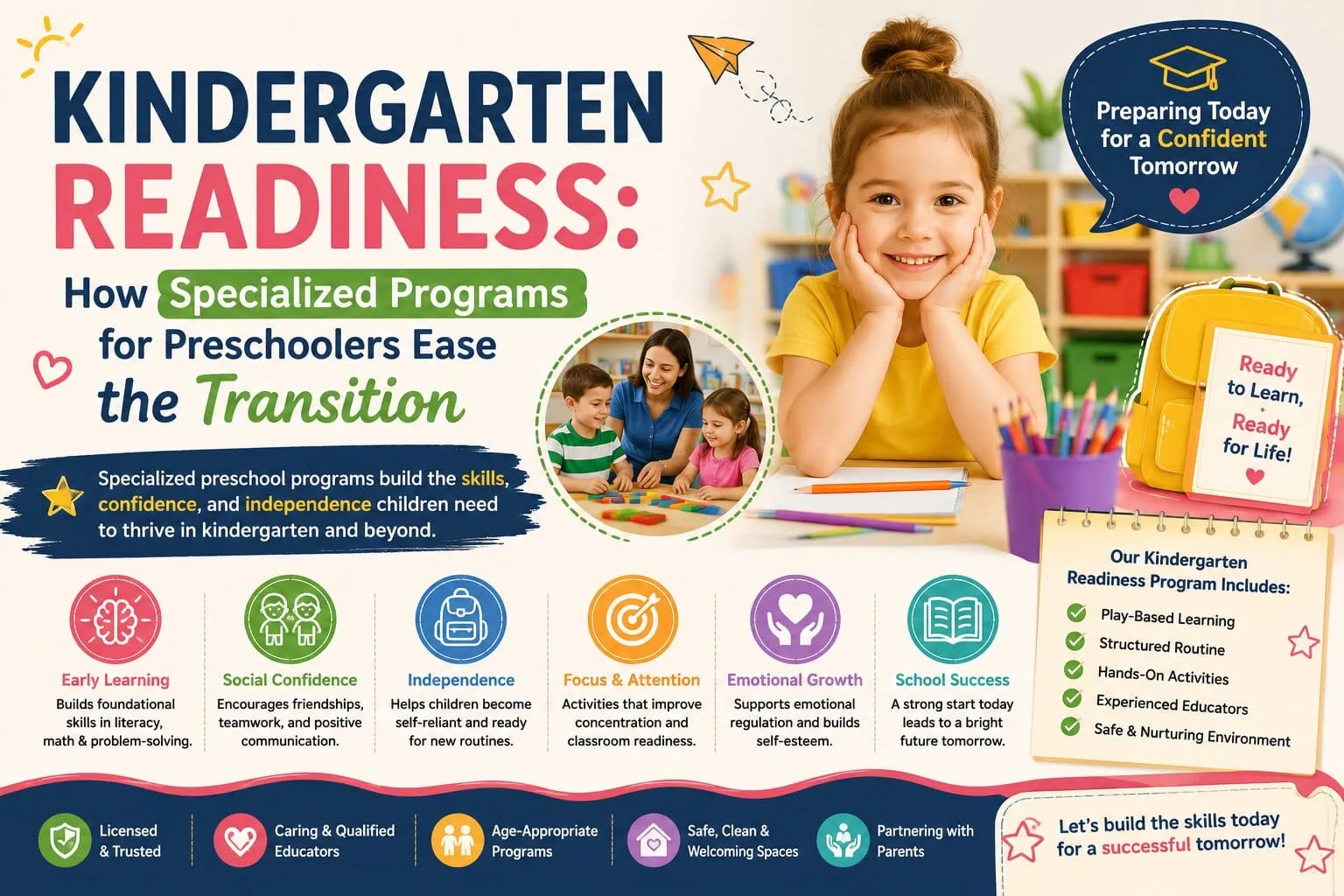
- The Transition Bridge: Discover how specialized programs for preschoolers equip young learners with the essential social, emotional, and academic foundations needed for kindergarten.
- Core Skill Building: Learn how structured early learning fosters executive functioning, self-regulation, language development, and independence.
- Curriculum Models: Understand the balance between play-based discovery and intentional academic preparation within early education environments.
- Reducing Anxiety: Explore proven, gentle strategies that educators use to ease separation anxiety and build classroom confidence.
- Local Partnership: See how community-focused early learning centers across British Columbia help families navigate the journey to elementary school readiness.
The transition from early childhood care into the formal kindergarten system represents one of the most monumental milestones in a child’s educational journey. For many parents, this upcoming shift brings a complex mix of excitement and quiet anxiety. Questions naturally arise regarding whether a child will be socially adaptable, emotionally resilient, and academically prepared to step into a larger elementary school classroom.
Kindergarten environments today expect children to possess foundational independence, self-regulation, and collaborative social skills right from the very first day. Ensuring that young learners develop these capabilities requires thoughtful preparation long before the first elementary school bell rings. At KiddieKollege, located at 20103 53 Ave, Langley, BC V3A 3T8, Canada, we see how specialized programs for preschoolers act as an essential developmental bridge, transforming early curiosity into lasting confidence and preparing children to navigate kindergarten with joy and ease.
The Evolution of Kindergarten Readiness: Beyond Basic Academics
In decades past, readiness for elementary school was often measured by simple academic markers, such as a child’s ability to recite the alphabet or count to twenty. While early literacy and numeracy remain important components of childhood development, modern educational research in early learning across preschool canada frameworks highlights a much broader set of foundational skills. Today, kindergarten educators place immense value on social-emotional competence, executive functioning, and personal self-care agency.
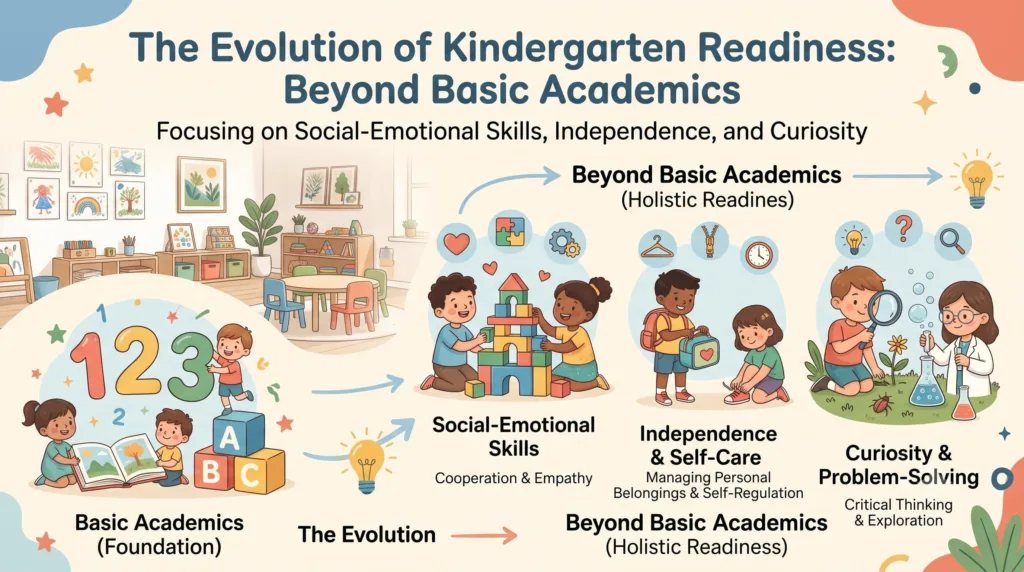
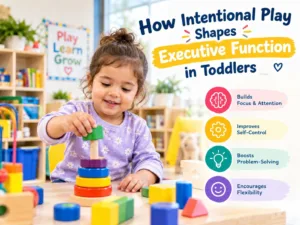
Executive functioning refers to the mental processes that enable children to plan, focus attention, remember instructions, and juggle multiple tasks successfully. In a kindergarten setting, a child must be able to follow multi-step directions, listen attentively during group story times, manage their personal belongings, and transition smoothly between different classroom activities. These higher-level cognitive skills do not develop overnight; they are cultivated through consistent, structured practice within an intentional preschool program designed specifically for young learners.
Furthermore, self-regulation—the ability to monitor and manage one’s energy states, emotions, thoughts, and behaviors in ways that are acceptable and produce positive results—is the single greatest predictor of early academic success. Children who have practiced identifying their feelings, sharing resources, and waiting their turn in a supportive early childhood setting adapt far more quickly to the structured demands of formal elementary schooling.
The Role of Social-Emotional Development in Group Settings
Learning to navigate group dynamics is arguably the most valuable experience an early learning environment provides. Home settings and small playdates offer wonderful foundational care, but they rarely replicate the complex social landscape of a larger classroom. Inside a dedicated early learning classroom, children are continuously exposed to social opportunities that build empathy, cooperation, and resilience.
Professional preschool teaching focuses heavily on guiding children through authentic social interactions. When young learners engage in collaborative play, minor conflicts naturally arise over shared toys or turn-taking. Rather than simply stepping in to solve the problem for the children, certified educators use these moments as powerful learning opportunities. They coach children on how to use clear words, express their needs calmly, listen to their peers, and negotiate fair solutions.
Through this continuous guidance, children build a rich toolkit of social skills. They learn to recognize emotional cues in others, develop a sense of fairness, and practice the art of patience. When these children eventually enter kindergarten, they arrive with the emotional maturity required to make new friends, build positive relationships with teachers, and participate comfortably in group projects.
Balancing Play-Based Learning with Intentional Academics
One of the most frequent debates among parents centers on choosing between academic-focused and play-based learning models. Modern early learning specialists agree that the most effective approach combines the best of both worlds through a balanced, child-centered framework. Research consistently demonstrates that young children learn best when they are actively engaged in meaningful, hands-on exploration rather than passive instruction.
Thoughtfully structured preschool curriculums integrate academic concepts directly into creative play activities. For example, early math skills are built not through dry worksheets, but through building complex wooden block towers, sorting colorful buttons by attribute, or measuring ingredients during fun baking projects. Early literacy flourishes as children dictate stories to their teachers, explore rich picture books in quiet reading corners, and practice letter formation using textured sand trays or playdough.
This experiential approach ensures that learning feels exciting and natural. When academic concepts are introduced through play, children develop a deep, intrinsic love for discovery. They learn to view challenges as interesting puzzles to solve rather than stressful tasks, establishing a positive mindset toward education that benefits them throughout their entire academic career.
Cultivating Independence and Personal Responsibility
A significant hurdle for many new kindergarten students is managing their personal care and belongings independently. In a busy elementary classroom with one teacher and up to twenty-two students, children who can manage their own coats, shoes, backpacks, and washroom routines experience far less stress and frustration.
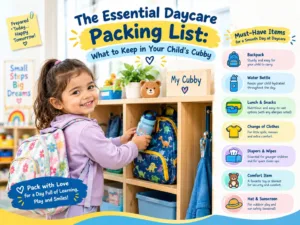
Enrolling a child in a specialized private preschool environment offers a gentle, gradual space for building these vital self-care habits. Daily routines are specifically structured to encourage independence. Children learn to hang up their own jackets on designated cubby hooks, unpack their lunchboxes, open their food containers, and clean up their activity spaces when finished.
Educators provide gentle encouragement and allow children the time they need to master these physical tasks at their own pace. As children realize they can care for their own needs without constant adult assistance, their self-confidence surges. This newfound independence gives them a strong sense of pride and competence, ensuring they step into kindergarten feeling capable and self-reliant.
Preventing Learning Loss: Year-Round Engagement Options
Maintaining developmental momentum throughout the entire year is another key factor in ensuring a smooth kindergarten transition. Long breaks in routine during the summer months can sometimes lead to a regression in social-emotional skills, emotional regulation, and structured daily habits.
Participating in a structured preschool summer camp provides a wonderful way to maintain comfortable routines while enjoying fun, summer-themed enrichment. These summer sessions offer a lighter, highly experiential curriculum focused on outdoor exploration, creative arts, and cooperative team activities. By keeping children engaged in structured social environments during the summer prior to kindergarten, parents can ensure that their child’s social skills, routines, and confidence remain sharp and ready for the fall school term.
Easing Separation Anxiety and Building Classroom Trust
For both children and parents, leaving the familiar comfort of home can trigger normal separation anxiety. Overcoming this emotional barrier is a critical part of kindergarten readiness, as a child who feels anxious or fearful will struggle to engage with learning materials or form connections with peers.
A gentle preschool daycare setting serves as a supportive stepping stone for working through separation challenges. Experienced early childhood educators are deeply skilled in managing drop-off transitions with warmth, patience, and reassurance. They establish clear, predictable morning drop-off rituals that help children feel secure and grounded.
Over time, as children learn that their parents always return at the end of the session and that their classroom is a safe, joyful environment filled with caring adults, their anxiety dissolves. They build a deep, foundational trust in the learning environment and in their own ability to thrive independently. When kindergarten arrives, these children view going to school as a fun, positive adventure rather than a intimidating separation.
Supporting Early Childhood Milestones for Younger Learners
While kindergarten readiness focuses heavily on four and five-year-olds, the foundation for school readiness actually begins much earlier. Introducing age-appropriate, structured activities during the toddler years creates a smooth, continuous path for long-term learning success.
Attending a specialized preschool for 2 year olds provides younger toddlers with early exposure to gentle group routines, simple language immersion, and sensory exploration. At this early stage, the focus rests on encouraging expressive communication, developing gross and fine motor skills, and helping toddlers transition from parallel play to early cooperative play. Building these foundational habits early ensures that as children grow into older preschool cohorts, they are already entirely comfortable with classroom dynamics and ready to engage in higher-level learning concepts.
Early Cognitive Growth Through Active Discovery
The human brain forms connections at a faster rate during the early years than at any other time in life. Capitalizing on this remarkable period of neuroplasticity requires an environment rich in sensory materials, language opportunities, and cognitive challenges.
A quality preschool learning environment surrounds children with rich vocabulary, storytelling, music, and hands-on science activities. Children learn to hypothesize and experiment by watching objects sink or float in water tables, observing plant growth in classroom gardens, and building complex geometric patterns with tangrams. This immersive environment stimulates brain development across multiple domains simultaneously, building robust neural pathways that support future reading comprehension, mathematical reasoning, and creative problem-solving skills.
For busy working families searching for a reliable day care in langley, finding a facility that combines flexible, professional care with a rich, intentional early learning curriculum provides the ultimate solution. It offers parents absolute peace of mind knowing their child’s daily care experience is actively preparing them for long-term academic and personal success.
Frequently Asked Questions
How do educators determine if a child is truly ready for the transition to kindergarten?
Our certified educators continuously evaluate children across multiple developmental domains, including emotional self-regulation, social communication, physical fine motor skills, and independent self-care abilities. We host regular parent-teacher updates to share observations, discuss milestone progress, and collaborate on specific transition strategies tailored to your child’s needs.
What are your administrative response times for new family tour requests and enrollment inquiries?
Our enrollment office values the busy schedules of local families. All tour bookings, waitlist updates, and intake inquiries submitted through our website or phone lines are responded to within a prompt twenty-four to forty-eight business hour window by our administrative team.
How does your early learning program handle children who still experience separation anxiety at drop-off?
We use a proven, compassionate approach that includes flexible drop-off routines, personalized comfort strategies, and primary educator support. We work closely with parents to establish consistent, reassuring goodbye rituals and provide quick updates to reassure you as your child settles into their morning play.
Which specific regional communities do your early childhood programs support?
Our centrally located campus serves families across the Fraser Valley. We provide accessible early education and care for households residing throughout Willoughby, Walnut Grove, Brookswood, Murrayville, Aldergrove, and the central Langley area.
What is the typical daily balance between structured activities and free play in your classrooms?
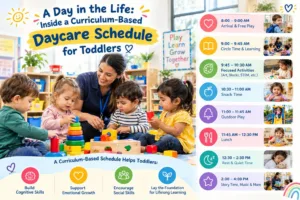
Our daily schedule is thoughtfully designed to alternate between structured group times—such as circle time storytelling, guided music, and small-group projects—and extended blocks of uninterrupted, child-led exploration. This balance ensures children develop focus while maintaining their natural passion for creative discovery.
Conclusion / Final Thoughts
Preparing a young child for kindergarten is a gradual, holistic process that encompasses much more than basic academic memorization. By prioritizing emotional self-regulation, social cooperation, personal independence, and creative problem-solving, thoughtful early education environments empower children to step into elementary school with confidence, curiosity, and pride.
Discovering a warm, accredited early childhood space is easy when searching for a supportive play school near me. If you are looking for a dedicated educational partner to guide your child’s foundational early years, we invite you to connect with our campus. At KiddieKollege, we take great pride in serving as a trusted provider of specialized programs for preschoolers, helping families across our community build a joyful, smooth bridge to elementary school success. Contact our Langley administrative office today to schedule your private tour, explore our vibrant classrooms, and see how our tailored curriculum can support your child’s developmental journey.