Summary
- Play based learning acts like a “neural workout” for toddlers, strengthening memory, focus, and decision-making skills that support long-term learning.
- Through structured exploration and imagination, children develop executive function, emotional regulation, and early problem-solving abilities.
- Quality preschool environments encourage curiosity, creativity, and independence through play-driven activities rather than rigid instruction.
- In communities such as play based learning in Ave, Langley, Canada, many families choose programs that support social growth, creativity, and real-world discovery.
- Early education centres like KiddieKollege integrate developmentally appropriate activities that help toddlers grow confidently while preparing for future academic success.
Why Play Matters More Than Ever in Early Childhood
When people hear the term play based learning, they sometimes imagine children simply playing with toys while teachers observe from the sidelines. In reality, play in early education is far more intentional. It’s a carefully designed approach that helps children build essential cognitive and emotional skills during their most important years of brain development.
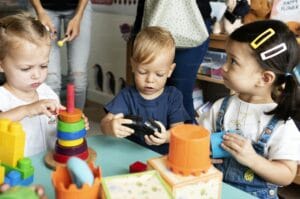
At quality early learning environments such as KiddieKollege, educators understand that the toddler years are a time of remarkable brain growth. Each interaction, activity, and exploration strengthens neural pathways. When toddlers stack blocks, pretend to run a grocery store, or explore outdoor spaces, they are doing far more than passing time — they are building the foundation for how they will think, plan, and interact with the world.
Families exploring play based learning in Ave, Langley, Canada often choose this approach because it mirrors how young children naturally learn: through curiosity, experimentation, and discovery.
Want to learn more about our daycare programs? Click the WhatsApp button below for an instant chat :
Understanding Executive Function in Toddlers
Executive function is a term educators use to describe the brain’s “control centre.” These mental skills help children manage attention, remember instructions, regulate emotions, and solve problems.
For toddlers, executive function includes three core abilities:
Working Memory
Working memory allows children to hold and process information at the same time. For example, remembering the steps of a simple game or following directions during an activity.
Cognitive Flexibility
This skill helps children shift between ideas or adapt when situations change. If a puzzle piece doesn’t fit, cognitive flexibility encourages them to try a new strategy.
Self-Control
Also known as inhibitory control, this ability allows toddlers to pause, think, and manage impulses before reacting.
These foundational skills are essential not only for early education but also for long-term academic success and emotional resilience.
The Science Behind Play as a “Neural Workout”
Neuroscientists often describe early childhood learning as similar to exercise for the brain. When children engage in meaningful play activities, multiple regions of the brain work together simultaneously.
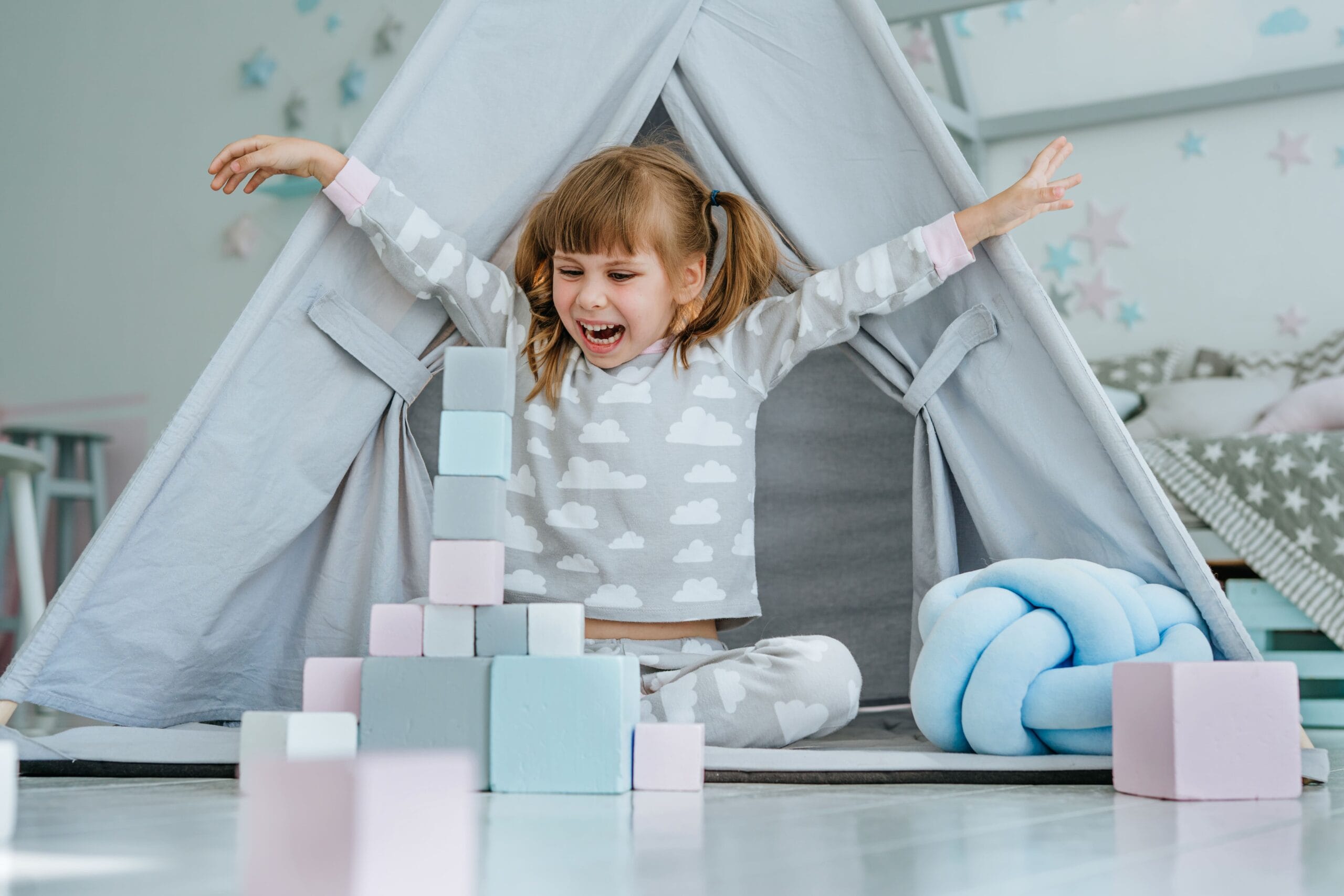
For instance, when toddlers build a tower with blocks, they must:
- Focus attention on balancing pieces
- Recall previous attempts
- Adjust strategies if the tower collapses
- Manage frustration and try again
These seemingly simple actions activate neural networks responsible for problem solving, coordination, and emotional regulation.
This is why early childhood educators often refer to play as a “neural workout.” Just like muscles strengthen through physical activity, brain connections strengthen through interactive experiences.
How Guided Exploration Strengthens Learning
A key component of modern preschool education is guided play. In this approach, educators create environments where children can explore freely while still receiving subtle support and encouragement.
Rather than directing every activity, teachers introduce materials, ask thoughtful questions, and observe how children interact with their surroundings.
For example, a teacher might place building materials on a table and encourage children to create structures. As toddlers experiment, the educator may ask:
- “What do you think will happen if we add another block?”
- “How can we make the tower stronger?”
These gentle prompts stimulate curiosity and deeper thinking without interrupting the child’s sense of discovery.
Emotional Growth Through Play
Learning through play is not only about cognitive development. It also plays a major role in social-emotional development during the early years.
Toddlers experience a wide range of emotions as they interact with peers and navigate group activities. Through role-play, cooperative games, and imaginative storytelling, children begin to understand empathy, communication, and teamwork.
For instance, pretend play often encourages children to take on different roles — a teacher, a firefighter, a parent, or a shopkeeper. These scenarios allow them to explore emotions, practice language skills, and develop perspective-taking abilities.
Over time, these experiences help children build stronger relationships and improve their ability to navigate social situations.
Encouraging Independence Through Child-Centred Learning
Another hallmark of effective early education is a child-led curriculum, where learning experiences are shaped around children’s interests.
Instead of rigid lesson plans, educators observe what naturally captures children’s attention. If a group of toddlers becomes fascinated with insects during outdoor play, the teacher may introduce books, art projects, or sensory activities related to bugs.
This flexible approach encourages deeper engagement because children feel ownership over their learning experiences.
In many ways, a child-centred environment mirrors real life. Adults also learn best when exploring topics that spark curiosity and personal interest.
The Role of Outdoor Play in Brain Development
Outdoor exploration plays a powerful role in toddler development. Natural environments stimulate sensory experiences that indoor classrooms cannot fully replicate.
Running on grass, digging in soil, and observing plants or insects provide opportunities for:
- Physical coordination
- Scientific curiosity
- Risk assessment
- Problem solving
Outdoor environments also encourage movement, which is directly connected to brain development. Active play improves concentration and supports healthy emotional regulation.
For toddlers especially, movement-based learning strengthens the connection between physical development and cognitive growth.
Preparing Toddlers for Future Academic Success
Parents sometimes worry that play-based classrooms may not prepare children for school. However, research consistently shows that children who participate in play-driven early education programs often demonstrate stronger kindergarten readiness.
Rather than memorizing information too early, toddlers develop foundational abilities that support lifelong learning, including:
- Curiosity and motivation
- Problem-solving skills
- Collaboration with peers
- Communication abilities
- Emotional resilience
These qualities allow children to transition into structured classrooms with confidence and adaptability.
Safety and Quality Standards in Early Learning
In Canada, childcare providers must follow strict health and safety regulations to ensure children receive high-quality care. Facilities that meet Fraser Health standards demonstrate strong commitment to hygiene, safety protocols, and overall wellbeing.
For parents, this means their children are learning in environments designed to support both educational development and physical safety.
High-quality early learning centres combine nurturing staff, safe facilities, and engaging educational programs to create well-rounded experiences for toddlers.
What Parents Should Look for in a Play-Based Preschool
Choosing the right preschool can feel overwhelming for families. However, a few key factors can help parents identify a strong learning environment.
Engaged Educators
Teachers should interact with children regularly, encouraging exploration rather than directing every activity.
Thoughtful Learning Spaces
Classrooms should include diverse materials that encourage creativity, sensory exploration, and imaginative play.
Balanced Daily Routines
A good program combines free play, structured group time, outdoor exploration, and quiet moments for reflection.
Supportive Social Environment
Children should feel safe expressing emotions and interacting with peers in respectful, cooperative ways.
Centres that balance these elements create environments where toddlers thrive academically and emotionally.
Why Families Value Play-Based Preschools in Langley
Langley is home to many families who prioritize early childhood education that supports creativity and independence. As awareness grows around brain development during the early years, more parents are choosing play-focused learning environments.
Centres like KiddieKollege provide programs designed to nurture curiosity while helping children develop practical life skills. By combining engaging activities with experienced educators, these programs support well-rounded development during the most formative years of life.
The goal is not simply early academics but preparing children for the world — socially, emotionally, and intellectually.
Frequently Asked Questions
1. What is play based learning and why is it important?
Play based learning is an educational approach where children learn through exploration, creativity, and hands-on activities. It supports brain development, emotional growth, and problem-solving skills during early childhood.
2. How does play-based learning help toddlers prepare for kindergarten?
Children develop essential abilities such as communication, collaboration, and self-regulation. These foundational skills support smoother transitions into structured classrooms and improve long-term learning outcomes.
3. Are play-based preschools available for families in Langley?
Yes. Several early learning centres provide programs designed to support toddlers through exploration and discovery. Families in Langley and nearby communities often have access to a variety of early childhood programs.
4. How quickly can parents arrange a preschool tour in Langley?
Most preschool centres respond to tour requests within a few business days, depending on program availability and scheduling.
5. How can parents find play based learning near me?
Parents typically search online, explore local preschool websites, or ask for recommendations from other families in their community.
Final Thoughts
The toddler years are a remarkable period of growth. During this stage, the brain forms connections at a rapid pace, shaping how children think, learn, and interact with the world around them.
Play based learning provides the ideal environment for this development. Through exploration, creativity, and meaningful interaction, toddlers strengthen executive function, emotional awareness, and problem-solving abilities.
For families exploring play based learning in Ave, Langley, Canada, centres such as KiddieKollege offer thoughtfully designed environments where children can thrive. By combining nurturing educators, engaging activities, and safe facilities, these programs support the development of confident, curious learners ready for the next stage of education.