Quick Summary: Play-Based Learning
- Play based learning helps children develop cognitive, social, and emotional skills naturally
- Structured play encourages creativity, curiosity, and problem-solving
- Daily activities support language, movement, and confidence
- Quality daycare environments integrate learning through play
- Understanding play-based methods helps parents support growth at home and daycare
Why Play-Based Learning Matters in Early Childhood
Play based learning is one of the most effective ways young children explore the world around them. Through play, children learn to communicate, cooperate, and think critically. For families exploring daycare in Langley, understanding how play supports development can bring clarity and reassurance when choosing childcare.
Centres such as Kiddie Kollege Daycare Centre integrate learning into daily play experiences, helping children grow academically and emotionally in a supportive environment. When play is guided with purpose, it becomes a powerful educational tool rather than just entertainment.
Have questions about our daycare programs? Start an instant conversation via WhatsApp button below :
What Is Play-Based Learning?
Play-based learning is an approach where children learn through hands-on activities, imagination, and interaction. Instead of focusing solely on formal lessons, educators design experiences that allow children to discover concepts naturally.
This method encourages:
- Exploration
- Curiosity
- Independence
- Collaboration
Children remain engaged because learning feels enjoyable rather than forced.
The Science Behind Learning Through Play
Research in early childhood education consistently shows that young brains learn best through active engagement. When children manipulate objects, role-play, and experiment, they form stronger neural connections.
This process of play through learning helps children:
- Retain information longer
- Develop problem-solving skills
- Improve emotional regulation
- Strengthen memory
Play-based environments stimulate both intellectual and emotional growth.
Core Benefits of Play-Based Learning
Parents often notice meaningful changes in children who participate in structured play programs.
Cognitive Development
Play builds foundational thinking skills such as sorting, sequencing, and reasoning.
Language and Communication
Storytelling, singing, and role-play improve vocabulary and listening skills.
Social Skills
Group activities teach sharing, empathy, and cooperation.
Emotional Well-Being
Children learn to manage frustration, build confidence, and express feelings appropriately.
Common Play-Based Learning Activities
Well-designed programs include a wide range of play based learning activities that support multiple areas of development.
Creative Play
- Painting and drawing
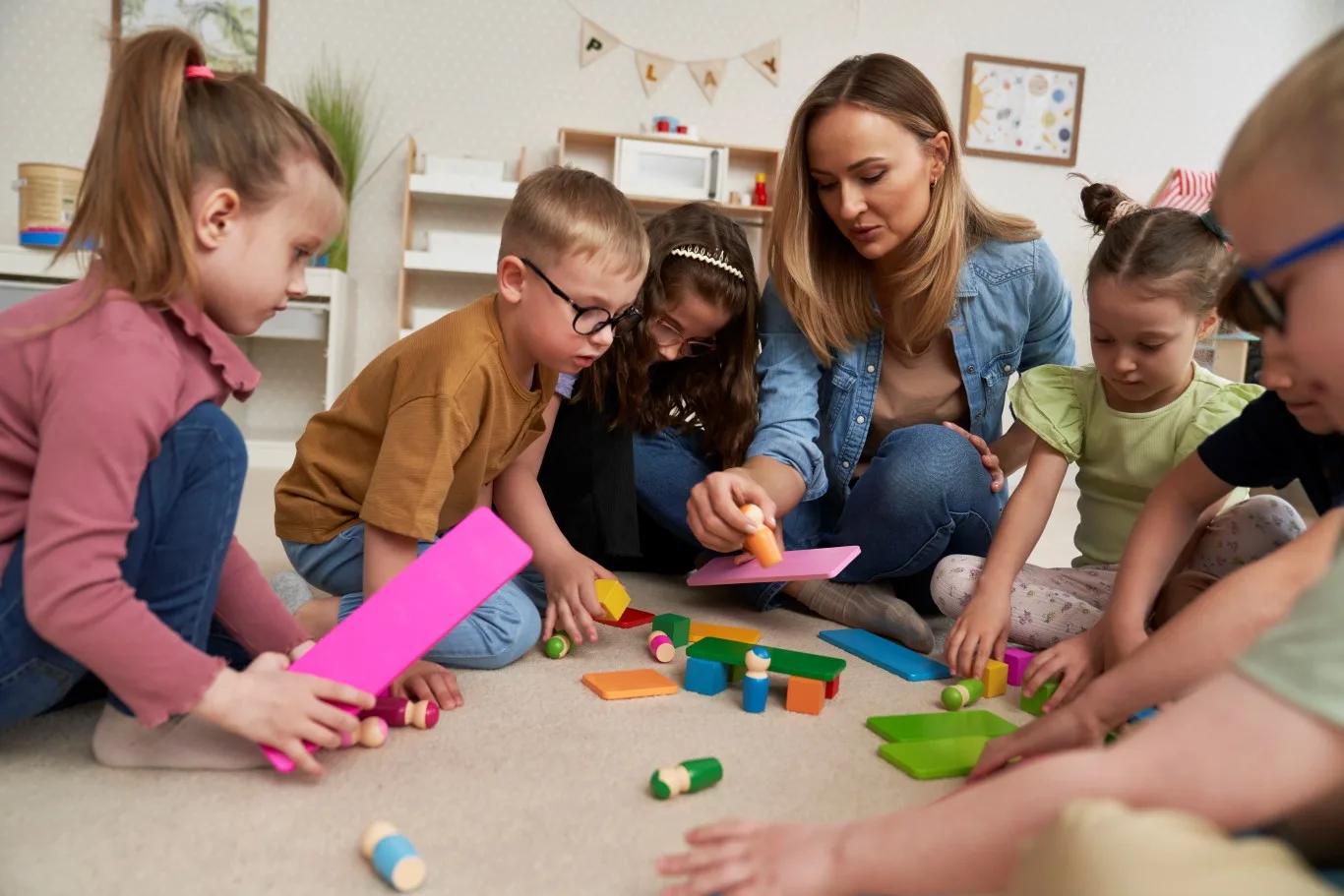
- Building with blocks
- Music and movement
These activities promote imagination and fine motor skills.
Pretend Play
- Role-playing family or community roles
- Dress-up games
- Puppet shows
Pretend play enhances communication and emotional awareness.
Physical Play
- Obstacle courses
- Outdoor games
- Balance activities
Movement supports coordination and physical confidence.
Sensory Play
- Sand and water tables
- Clay and dough
- Texture exploration
Sensory play strengthens focus and problem-solving.
Real-Life Play-Based Learning Examples
Practical play based learning examples show how everyday activities can become educational opportunities.
For example:
- Sorting toys by colour teaches early math concepts
- Building towers improves spatial awareness
- Cooking pretend meals supports sequencing skills
- Group storytelling enhances memory and language
These simple activities form the foundation of lifelong learning.
How Educators Guide Play with Purpose
While play feels natural, skilled educators carefully design environments that support learning outcomes.
Professional caregivers:
- Observe children’s interests
- Introduce new challenges gradually
- Encourage collaboration
- Provide gentle guidance
This balanced approach ensures children remain engaged while developing essential skills.
The Role of Environment in Play-Based Learning
A thoughtfully designed classroom enhances learning through play. Safe, organised spaces encourage children to explore freely.
Effective environments include:
- Open activity areas
- Accessible learning materials
- Quiet reading corners
- Outdoor play zones
Families exploring daycare Langley BC often look for centres that invest in enriching learning spaces.
Supporting Play-Based Learning at Home
Parents can extend play-based learning beyond daycare by encouraging simple activities at home.
Ideas include:
- Reading together
- Cooking simple recipes
- Nature walks
- Building projects
These experiences strengthen parent-child bonds while reinforcing developmental skills.
Choosing a Play-Focused Childcare Centre
When selecting a centre, parents should ask about learning philosophies and daily routines.
Look for centres that:
- Balance structure and flexibility
- Encourage exploration
- Prioritise emotional well-being
- Maintain strong communication
Families searching for a licensed daycare near me or certified childcare near me often prioritise play-based programs supported by trained educators.
How Play Prepares Children for School
Play-based learning helps children transition smoothly into formal education.
Children who learn through play often:
- Adapt easily to classroom routines
- Demonstrate curiosity
- Show confidence in learning
- Engage positively with peers
These skills support long-term academic success.
FAQs: Parents Commonly Ask
1. Do play-based programs meet educational standards?
Yes, quality programs align play activities with early learning frameworks and developmental milestones.
2. Are play-based learning centres available in Langley?
Many centres across Langley offer play-focused programs for infants, toddlers, and preschoolers.
3. How quickly do centres respond to enrolment enquiries?
Most professional centres respond within one to two business days.
4. Do children still learn academics through play?
Yes, concepts such as numbers, letters, and patterns are introduced naturally through activities.
5. Is play-based learning suitable for all children?
Most children benefit from this approach, as it adapts to different learning styles and personalities.
Final Thoughts
Play based learning empowers children to grow through curiosity, creativity, and meaningful interaction. When thoughtfully guided, play becomes the foundation for lifelong learning and emotional resilience.
For families seeking daycare in Langley, trusted providers like Kiddie Kollege Daycare Centre combine professional care with engaging, play-focused programs. By choosing environments that value play, parents give their children the opportunity to thrive academically, socially, and emotionally.