
Summary
- Determining what age to preschool depends more on developmental milestones than a specific date on the calendar.
- Most programs accept children between ages 2.5 and 4, but social-emotional readiness is the true “green light.”
- Key indicators of readiness include basic independence, the ability to follow simple directions, and curiosity about peer interaction.
- Early exposure to a structured environment helps build the foundational skills needed for a smooth transition to Kindergarten.
- This guide helps Langley parents navigate the logistical and emotional aspects of starting their child’s educational journey.
Deciding when your child is ready to step out of the home environment and into a classroom is one of the most significant “forks in the road” for parents in British Columbia. We often find ourselves scrolling through forums or chatting with other parents at the park, trying to pinpoint the exact moment that will set our children up for success.
The question of what age to preschool is rarely about a single number; rather, it is about a constellation of skills, emotional maturity, and family needs. In Langley, providers like KiddieKollege work closely with families to determine if a child is ready for the exciting transition into structured early learning, ensuring that the move feels like a natural next step rather than a daunting leap.
Many parents wonder what age to preschool is best for their child; at Kiddie Kollege, our programs are tailored to support children starting from the toddler years right through to kindergarten readiness.
Want to learn more about our daycare programs? Click the WhatsApp button below for an instant chat :
The Age Question: Beyond the Calendar
Technically, the minimum age for preschool in most licensed British Columbia facilities is 30 months (2.5 years). However, just because a child is old enough to be eligible doesn’t necessarily mean they are ready to thrive in a group setting. While many parents look for that 30-month mark, others wait until age three or even four.
The ideal age to start preschool is usually found in that sweet spot between 3 and 4 years old. At this stage, most children have moved past the intense separation anxiety of toddlerhood and are beginning to show a genuine interest in playing with others rather than just near them. They are developing the language skills needed to express their needs and the physical coordination to navigate a classroom safely.
Assessing Readiness: The Five Key Indicators
Instead of focusing solely on birth dates, early childhood experts recommend looking at specific developmental markers. If you are trying to determine your child’s preschool readiness age, consider these five areas:
1. Level of Independence
In a preschool setting, children are encouraged to do things for themselves. Can your child manage basic tasks like washing their hands, putting on their shoes (even if they need help with laces), or clearing their plate after a snack? A child who can handle a small degree of self-care will feel much more confident in a classroom where the teacher’s attention is shared among several students.
2. Communication Skills
Your child doesn’t need to be a Shakespearean orator, but they do need to be able to communicate basic needs to someone other than their primary caregiver. Can they tell a teacher they are hungry, thirsty, or need to use the washroom? Can they follow simple, two-step directions like “Please put your toy away and come sit on the mat”?
3. Social Interest and Interaction
Observe your child at a local Langley park. Do they watch other children with curiosity? Do they try to join in on a game of tag or share a bucket in the sandbox? While parallel play is normal for younger toddlers, a readiness for preschool is often marked by a desire for social connection and the beginning stages of cooperative play.
4. Physical Stamina and Routine
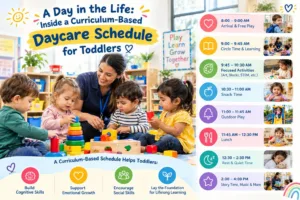
Preschool is an active environment. A typical morning involves art projects, circle time, outdoor play, and sensory activities. Does your child have the stamina to engage in these activities without becoming overly exhausted? Furthermore, can they handle a structured routine? Most centers, including KiddieKollege, rely on a predictable daily rhythm to help children feel secure.
5. Separation Resilience
It is completely normal for a child to shed a few tears during the first week of drop-offs. However, readiness is indicated by a child’s ability to be consoled by a teacher and eventually engage with the classroom. If a child remains in extreme distress for hours at a time after several weeks, they might benefit from a few more months of home-based care or a gradual transition program.
The Hidden Benefits of the “Right” Start
When you choose the appropriate time to start, the benefits extend far beyond just “childcare.” A well-timed entry into a program like the one at KiddieKollege provides a bridge between home and the K-12 system.
- Social-Emotional Learning: Children learn how to navigate conflict, take turns, and develop empathy for their peers. These are skills that are difficult to replicate in a one-on-one home setting.
- Literacy and Numeracy Foundations: Through play-based learning, children are exposed to phonics, counting, and pattern recognition. This isn’t about memorization; it’s about sparking a love for discovery.
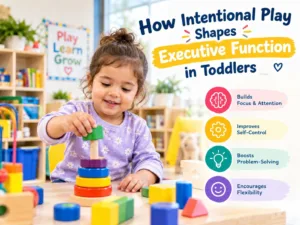
- Executive Function: Following a routine and managing transitions between activities helps develop the “brain’s control center,” which is vital for focus and self-regulation later in life.
The Role of Potty Training
One of the most common logistical questions regarding what age to preschool involves potty training. Many traditional preschool programs require children to be fully toilet trained before enrollment. However, many modern “Childcare” or “Early Learning” models are more flexible, especially for the 30-month age group.
At KiddieKollege, we understand that every child’s physical development follows its own timeline. While being potty trained definitely helps a child feel more independent in the classroom, it isn’t always a hard barrier to entry in our inclusive programs. It is always best to discuss your child’s specific progress with the center directors to find the right classroom fit.
Preparing for the First Day
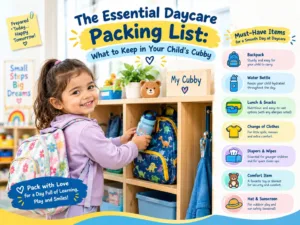
Once you’ve decided that your child has reached their personal readiness age, the preparation phase begins. You can make the transition smoother by:
- Visiting the Center: Walk by the school, play on the nearby playground, and take a formal tour so the environment feels familiar.
- Reading Books about School: There are many wonderful Canadian children’s books about starting preschool that can help normalize the experience.
- Adjusting Your Schedule: A few weeks before starting, begin aligning your home snack and nap times with the center’s schedule.
Local Considerations for Langley Families
For those living in the Fraser Valley, we are lucky to have access to a variety of high-quality programs. When searching for a preschool near me, it is important to look for a center that aligns with your family’s values. Whether you prefer a Montessori-inspired approach, a Reggio Emilia focus on the environment, or a traditional play-based curriculum, Langley offers excellent diversity in early education.
Providers like KiddieKollege offer the professional oversight and warm community feel that Langley parents have come to trust. By choosing a local provider, you are also building a network with other families in your neighborhood, creating a support system that often lasts well into the elementary school years.
FAQs
1. What if my child is 3 but still isn’t talking much?
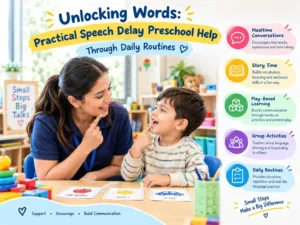
Language delays don’t necessarily disqualify a child from preschool. In fact, the social environment of a classroom can often act as a catalyst for language development as children feel a greater need to communicate with peers. However, it is important to choose a center with experienced ECE staff who can support your child’s specific communication goals.
2. Is there a “too late” age to start?
While there is no “too late,” most educators agree that having at least one year of a group learning experience before Kindergarten is highly beneficial. It allows the child to master the “student” role—learning how to sit in a circle, follow a teacher’s lead, and navigate peer dynamics—before the more academic expectations of elementary school begin.
3. Do you have space available for the upcoming season in Langley?
Enrollment fluctuates, but KiddieKollege maintains a proactive waitlist management system. We encourage parents to reach out as early as possible—often 6 to 12 months in advance—to secure a spot in their preferred program.
4. How long does it usually take for a child to settle in?
Every child is unique. Some jump right in on day one, while others need a “bridge” period of two to three weeks. Our staff at the Langley center are experts at supporting this transition, offering staggered start dates or shorter initial days to ensure the child feels safe and secure.
5. What are the coverage areas for your programs?
We primarily serve families in Langley, including areas like Willoughby, Walnut Grove, and Brookswood, as well as nearby residents in Cloverdale and Aldergrove who are looking for high-quality early education on their commute.
Conclusion / Final Thoughts
There is no “perfect” age that applies to every child. The decision of what age to preschool is deeply personal and should be based on your child’s unique personality, your family’s schedule, and your child’s developmental milestones. Whether they start at 30 months or age 4, the goal is the same: to foster a sense of wonder and a love for learning.
By focusing on indicators like independence, communication, and social curiosity, you can make an informed choice that ensures your child’s first educational experience is a positive one. If you are feeling unsure, the best next step is to observe a classroom in action. Professional centers like KiddieKollege are always happy to welcome families and discuss how our environment can support your child’s growth. When you feel that spark of readiness, you’ll know it’s the right time to begin this exciting new chapter.